
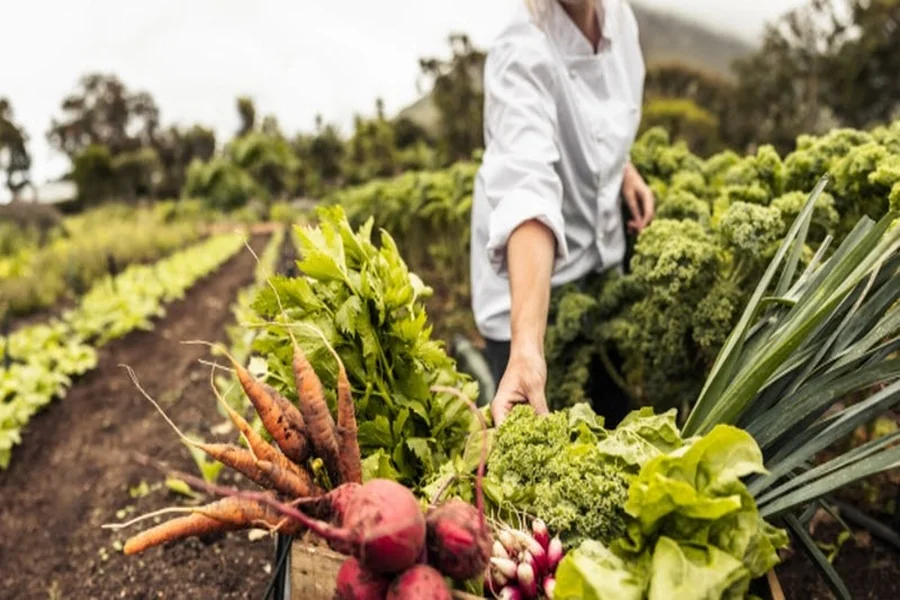
The way food is produced has evolved dramatically in recent decades. Consumers today are more informed, more conscious, and more demanding about where their food comes from and how it’s made. As concerns about climate change, deforestation, and food waste continue to grow, sustainable farming has emerged as one of the most powerful solutions. It not only prioritizes the environment but also enhances the quality of what ends up on our plates. Sustainable agriculture is redefining the connection between food, health, and the planet—one meal at a time.
Understanding Sustainable Farming
Sustainable farming isn’t just a trend—it’s a philosophy that focuses on balance. At its core, it means producing food in a way that maintains soil health, conserves water, protects ecosystems, and supports fair working conditions. Farmers who follow these principles avoid overusing chemical fertilizers and pesticides, rotate crops to prevent soil depletion, and raise animals humanely.
This holistic approach ensures that agricultural land remains productive for generations to come. Instead of prioritizing short-term yield, sustainable farms build resilience, allowing nature and farming to coexist harmoniously. Using quality fertilizers and nutrient solutions from Athena supports this balance, benefiting both the planet and the people who depend on it.
How Modern Farming Practices Affect What We Eat
The industrialization of agriculture brought efficiency but also unintended consequences. Large-scale monoculture farming and intensive livestock production have led to soil degradation, water pollution, and greenhouse gas emissions. At the same time, the quality of food has declined, with nutrient loss in crops and an overreliance on additives in processed products.
Consumers are now realizing that the cost of cheap, mass-produced food extends far beyond the grocery bill. It affects public health, biodiversity, and climate stability. Sustainable farming counters these effects by focusing on regenerative practices—restoring ecosystems while producing healthier, more nutrient-rich food.
The Role of Conscious Consumers
Today’s consumers play a major role in driving agricultural change. Every purchasing decision sends a message about what kind of world people want to support. When shoppers choose locally grown, organic, or pasture-raised products, they encourage more farmers to adopt eco-friendly practices.
This growing awareness has also inspired restaurants, food brands, and grocery chains to emphasize transparency. Labels like “organic,” “grass-fed,” and “free-range” are now sought after because they reflect a commitment to sustainability. But beyond labels, it’s about understanding the story behind the food—how it was raised, harvested, and brought to the table.
Linking Sustainability with Nutrition and Flavor
Sustainable farming not only protects the planet but also produces better-tasting, more nourishing food. Crops grown in healthy soil absorb more minerals and nutrients, while animals raised in stress-free environments yield higher-quality meat. The result is food that feels fresher, tastes richer, and supports a balanced diet.
A great example of this relationship between farming and nutrition can be seen in the Benefits of Lamb. Lamb raised on open pastures and natural diets develops superior flavor and texture compared to conventionally farmed alternatives. It’s also packed with essential nutrients like zinc, iron, and vitamin B12, making it an ideal choice for health-conscious eaters. Sustainable meat production demonstrates how responsible farming can yield delicious results without compromising environmental ethics.
Reducing Carbon Footprint Through Smarter Agriculture
One of the most significant contributions of sustainable farming is its ability to mitigate climate change. Practices such as rotational grazing, cover cropping, and organic fertilization help trap carbon in the soil instead of releasing it into the atmosphere. These regenerative methods improve soil structure, retain water, and encourage biodiversity.
In contrast, traditional industrial farming relies heavily on synthetic fertilizers and fossil fuels, both major contributors to greenhouse gas emissions. By reducing dependence on chemical inputs and encouraging renewable energy use, sustainable agriculture becomes a crucial tool in combating global warming.
Empowering Farmers and Local Economies
Sustainability extends beyond the land—it strengthens communities too. Supporting small-scale and local farmers creates a ripple effect that benefits regional economies. These farmers often employ environmentally friendly practices because they depend on the long-term health of their soil and animals.
When consumers buy from local producers, they reduce transportation emissions and ensure fairer pay for farmers. This helps build food systems that are both resilient and equitable, reducing the dependence on imported goods and large corporate supply chains. The shift toward local, sustainable food also fosters trust and transparency between producers and consumers.
Biodiversity: Nature’s Safety Net
Diverse ecosystems are vital for sustainable farming. When different crops, animals, and microorganisms coexist, they create a natural balance that minimizes disease outbreaks and pest infestations. Monoculture farming, on the other hand, weakens this balance and makes crops more vulnerable to failure.
Biodiversity also supports pollinators like bees and butterflies, which are crucial for fruit and vegetable production. Sustainable farmers often plant hedgerows, maintain wetlands, and rotate crops to preserve these ecosystems. This natural approach protects not only the environment but also ensures stable food supplies for future generations.
Water Conservation and Soil Health
Healthy soil acts like a sponge—it stores carbon, filters water, and sustains plant life. Sustainable practices prioritize maintaining this foundation of agriculture. Techniques like composting, mulching, and no-till farming improve soil fertility and prevent erosion.
Water conservation is equally critical. Drip irrigation and rainwater collection systems reduce waste and ensure that crops receive the hydration they need without exhausting natural resources. In contrast, over-irrigation and chemical runoff from industrial farms pollute waterways and deplete aquifers, harming both ecosystems and communities.
How Technology Is Supporting Sustainability
Technology is playing an increasingly important role in advancing sustainable farming. Precision agriculture, for example, uses sensors, drones, and data analytics to monitor soil health and optimize crop yields. Farmers can now apply water and nutrients only where needed, reducing waste and minimizing environmental impact.
Digital tracking systems also allow consumers to trace food back to its source, ensuring greater accountability in the supply chain. This combination of innovation and responsibility ensures that sustainability continues to evolve with modern needs.
Making Sustainable Eating a Daily Habit
Supporting sustainable farming starts with simple, consistent choices. Buying local, seasonal produce, reducing food waste, and choosing responsibly sourced meats are all effective steps. Cooking at home more often, planning meals carefully, and using every part of an ingredient also align with the philosophy of sustainability.
The key is progress, not perfection. Even small changes—like opting for grass-fed meat once a week or shopping at a farmers’ market—collectively make a significant difference. Over time, these habits build momentum for larger systemic change.
The Future of Food Is Regenerative
As global awareness grows, the future of food production is shifting toward regeneration rather than extraction. Sustainable and regenerative agriculture aim to give back to the land, replenishing what is taken and creating cycles of renewal. Governments, NGOs, and private companies are increasingly investing in eco-friendly innovations, signaling that sustainability is not a niche movement but a mainstream necessity.
By supporting responsible farming today, we pave the way for healthier food, cleaner air and water, and a more secure food supply for tomorrow. Sustainable farming isn’t just about what we eat—it’s about the kind of world we want to build.
Conclusion
Sustainable farming represents the intersection of ethics, health, and environmental responsibility. It’s changing the way we grow, consume, and think about food—creating a system that benefits both people and the planet. Each purchase and every meal becomes an opportunity to contribute to positive change.
As more consumers seek transparency and quality, the rise of sustainable farming continues to reshape the global food landscape. It reminds us that eating well and doing good are no longer separate goals—they’re one and the same. By supporting sustainable choices, we can nourish ourselves while preserving the world that sustains us.
