
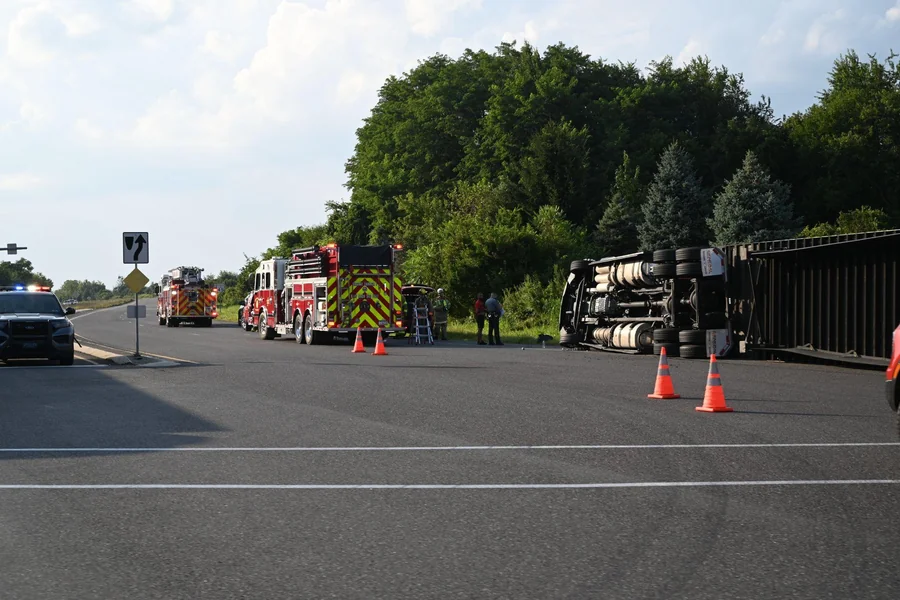
A truck accident is never just a crash between two vehicles. It is the start of a detailed process that decides what really happened, who failed their duty, and why the damage was so severe.
Many people assume fault is obvious after a collision, but truck accident investigations follow a very different path. They move slowly, carefully, and with purpose.
This blog breaks down how these investigations actually work and why every step matters more than most people realize.
Why Truck Accident Investigations Are More Complex
Truck accidents carry weight in every sense. These vehicles are larger, heavier, and controlled by strict rules that do not apply to regular cars. One mistake can lead to serious injuries, major property damage, and long-term consequences. Investigators must look beyond surface details and examine systems, records, and responsibilities.
This is where a truck accident lawyer often becomes involved early, not to rush the process but to make sure nothing important is missed. The investigation needs time, structure, and clear direction because trucking cases rarely involve only one decision or one person.
Securing the Crash Scene and Initial Evidence
The first stage begins at the scene itself. Law enforcement officers document what they see, take photographs, and write reports. These details form the base of the investigation, but they are only the beginning.
Evidence collected early can include vehicle positions, road conditions, weather details, and visible damage. Witness statements also play a role, especially from people who saw the truck before impact. This stage matters because once vehicles are moved or repaired, certain facts can never be recovered.
Identifying All Potentially Responsible Parties
Truck accidents often involve more than one responsible party. This is not always clear at first glance. Investigators must look at the full chain behind the truck.
Responsibility may involve:
- The truck driver.
- The trucking company.
- A company that loaded the cargo.
- A maintenance provider.
- A manufacturer of faulty parts.
Each party has duties under the law. Investigations focus on who failed to meet those duties and how that failure contributed to the crash.
Reviewing Driver Records and Logs
Truck drivers follow regulated schedules. Their driving time, rest periods, and routes are recorded. These records help investigators understand whether fatigue, distraction, or rule violations played a role.
Electronic logging devices often track driving hours. Investigators also review training history, license status, and prior safety issues. Drug and alcohol testing results are also reviewed if available. These records tell a story that goes far beyond the accident itself.
Examining the Truck and Its Equipment
A truck is a machine made of many parts. Investigators inspect brakes, tires, lights, steering systems, and safety equipment. Maintenance records are reviewed to see whether repairs were delayed or ignored.
Many trucks store data through onboard systems. These systems can show speed, braking patterns, and engine activity. This data helps rebuild what happened before the crash and whether the vehicle was operating safely.
Analyzing Federal and State Trucking Regulations
Trucking is regulated for a reason. Rules cover how long drivers can stay on the road, how cargo must be secured, and how vehicles should be inspected. Investigators check whether these rules were followed.
Violations can show negligence. If a company ignored safety standards or pushed drivers beyond legal limits, those decisions matter. Regulations are not paperwork. They exist to prevent harm.
Evaluating Road and Environmental Factors
Not every cause comes from the truck itself. Investigators also study the road and surroundings. Weather conditions, lighting, signage, and road design are all reviewed.
Poor visibility, construction zones, or unclear markings can contribute to crashes. Investigators consider how these factors interact with driver behavior and vehicle condition to create risk.
Working With Accident Reconstruction Experts
Some crashes require expert analysis. Accident reconstruction specialists study physics, vehicle damage, and scene data to explain how the collision occurred.
They use measurements, simulations, and technical data to support findings. Their work helps clarify speed, impact angles, and timing. In complex truck accidents, expert input can be essential to understanding the full picture.
Dealing With Insurance Companies
Insurance companies begin their own investigations quickly. Their goal is to control exposure and limit responsibility. They review evidence, interview parties, and analyze claims.
This is another point where a truck accident lawyer may be involved to ensure facts are presented accurately and fairly. Clear documentation and careful communication matter during this phase, especially in high-value claims.
How Long Does a Truck Accident Investigation Takes
Truck accident investigations take time. They involve many records, experts, and reviews. Rushing this process can lead to missed evidence and weak conclusions.
Timelines vary based on the severity of the crash, the number of parties involved, and the availability of records. A thorough investigation focuses on accuracy, not speed.
Closing Thoughts
Truck accident investigations are detailed for a reason. They uncover patterns, decisions, and failures that are not visible at first glance. Every report, record, and inspection adds another layer of truth.
Understanding how this process works helps people see why these cases are handled differently from ordinary accidents. A careful investigation protects facts, supports accountability, and brings clarity to situations that may otherwise remain confusing.
