
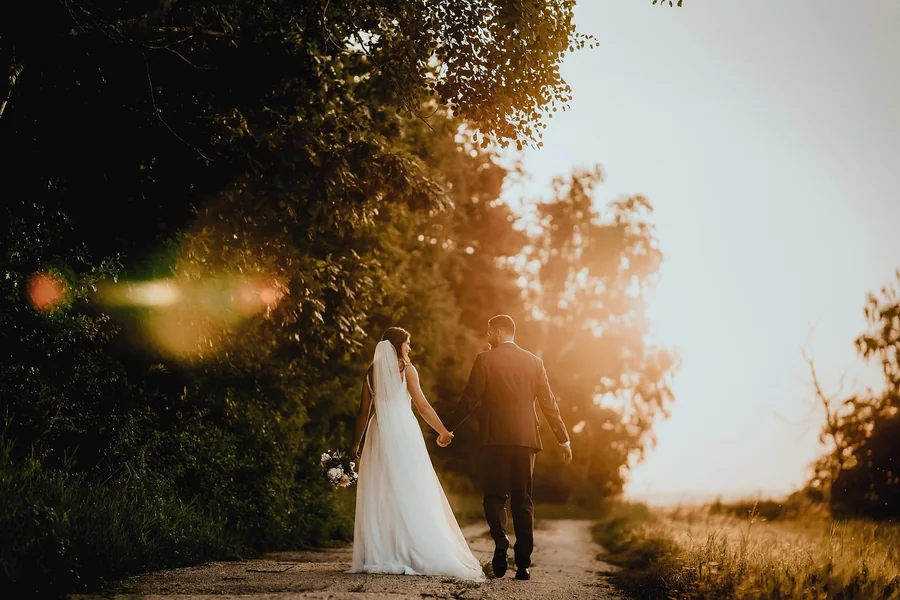
There is a growing trend for a kind of bride who can admire lace chapels, crystal belts, and giant ball skirts without wanting any of them near her own body. She is not trying to reject the wedding but rather wants the clothes to stay honest. Her taste on every other day already says something clear, and the dress she wears to get married should not suddenly speak in a different voice.
That is why the idea of a custom made wedding dress by MISSIA lands so well for women who want the day to feel elevated but still familiar. The goal is not to dress like a fantasy version of a bride pulled from a mood board. The goal is to take the sharp lines, soft fabrics, clean shapes, or romantic restraint that already suit her and turn the volume up with care.
A boutique that understands this shift is not selling less feeling. It is reading taste more closely. Modern wedding boutiques, such as MISSIA, understand how to balance occasion and identity. They also know that a wedding look can still carry the same instinct as a favourite silk blouse, a perfect black coat, or the dress someone reaches for when she wants to feel fully herself. Thus the dress stops feeling like a costume and starts feeling like a distilled version of the person wearing it.
When “Bridal” Does Not Feel Like You
Some women never built their style around obvious femininity. Others love softness but hate fuss. Some want structure, not sparkle. Some want romance, but in a cleaner form that fits their real personal style instead of taking it over. All of them run into the same problem when they shop in the usual bridal way: too much dress, not enough self.
This does not mean bridal fashion has failed. It means the old shortcut for reading a bride has become too narrow. The modern bride may be the woman who lives in tailored trousers, old Céline shapes, bias-cut slips, vintage knits, or crisp shirts with a strong shoulder. Therefore, when she starts looking for a gown, she is not chasing a total makeover. She is looking for translation.
That translation matters because weddings are already full of heightened emotion, staged rituals, and too many opinions. Clothes should steady a person inside all that noise. A bride who feels trapped by her outfit will spend the whole day adjusting, explaining, or trying to rise to the dress instead of relaxing into it.
This is also why some are drawn to vintage dresses, slimmer silhouettes, and pieces with a lived-in sense of taste. The pull is not just nostalgia. It is relief. The dress already has character, and the woman does not have to fake one.
Before the Dress Comes into View
A strong boutique starts by paying attention to the client’s normal wardrobe, not just her Pinterest folder. The clues are usually:
- The shapes she repeats without thinking, whether that is column skirts, long sleeves, neat waists, sharp necklines, or loose movement.
- The fabrics she trusts, like matte silk, crepe, cotton blends, light tulle, or satin with less shine.
- The balance she likes between skin and coverage, because that choice says more than any trend forecast.
- The mood she returns to, whether it is polished, bohemian, spare, poetic, or slightly undone.
When a boutique reads those signals properly, the process changes. Instead of asking, “What kind of bride do you want to be?” it starts asking better questions. What do you wear when you want to look expensive without trying too hard? Which pieces have stayed in your closet for years? What neckline makes you stop fidgeting? That is a smarter path to a custom wedding dress than asking someone to perform a version of bridal femininity that never belonged to her.
This is where good editing matters more than endless choice. Too many options can push a person away from her own instincts. A boutique with taste narrows the field in a useful way. It protects the bride from details she likes in theory but would never choose in real life.
How to Make a “Non-Bridal” Wedding Dress
A custom-made wedding dress should not have various elements just for the sake of having them. Yes, there may be lace, embellishment, and even drama, but all of that should have a clear purpose and feel like you.
That is also why fit matters more here than in a louder bridal look. When there are fewer distractions, the cut has to do real work. The shoulder must sit properly. The waist has to land in the right place. The skirt needs to move with intention. However, precision should never make the dress feel stiff. The best versions still leave room for breath, posture, appetite, dancing, and the strange, emotional looseness that comes with a wedding day.
Some boutiques understand that a bride’s style identity can collapse the second a dress asks her to become more decorative than she has ever been. That is why the smartest custom-made wedding dresses do not pile on symbols of bridal beauty. They strip back to the few details that carry the most meaning.
Accessories follow the same logic. A bride who never wears heavy jewellery will not suddenly feel right in a crystal tiara. A woman who lives in sleek sandals may prefer a clean heel or even a flat. Hair, makeup, and jewellery should keep the sentence flowing, not interrupt it. Therefore, the whole look needs one language from head to hem.
Conclusion
A bride does not need to look less special in order to look more like herself. She just needs a boutique that can read her existing taste and sharpen it for the day. That means less costume, better fit, smarter fabric, and a stronger sense of what actually belongs on her body.
When that happens, the dress does not compete with the woman. It confirms her. In the end, that is what makes the whole look memorable. Not the fact that it shouted “bride” from across the room, but the fact that it felt exact, personal, and fully lived-in from the moment she put it on.
