
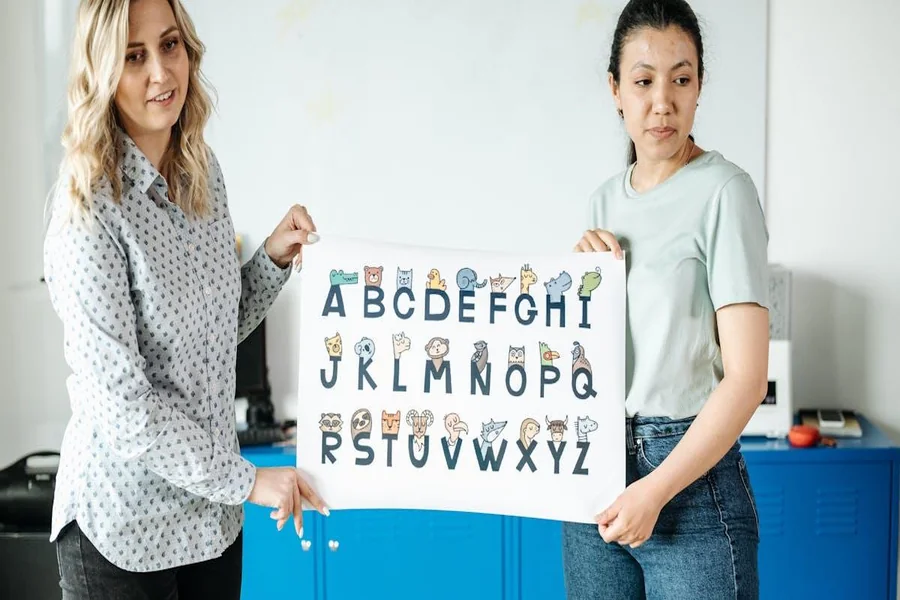
In our journey of nurturing young minds, we often overlook the extraordinary potential hidden in our daily interactions. Early education isn’t just about structured lessons; it’s about recognizing that ordinary moments can transform into rich language experiences. According to the American Speech-Language-Hearing Association, engaging with children through conversation and storytelling is crucial to their language development.
For parents and educators seeking to make learning both fun and effective, incorporating tools like preschool letter worksheets can help children build strong early literacy skills in an engaging way. In this text, we’ll explore how we can harness these everyday moments, turning them into invaluable language lessons that foster growth and connection.
Understanding the Importance of Early Language Development
Language development in the early years lays the foundation for literacy and academic success later on. Babies come into the world ready to communicate, and the initial interactions they have help shape their ability to express themselves. Research indicates that quality verbal interactions not only build vocabulary but also enhance cognitive skills.
For instance, when we talk, read, or sing to our children, we’re doing much more than passing the time: we’re providing them with the tools they need to navigate the world around them. The more we engage in these practices, the greater the impact on their future communication skills.
Daily Routines as Learning Opportunities
Everyday routines are often overlooked as critical opportunities for language development. Whether we’re cooking, shopping, or getting ready for bed, we can turn these moments into active learning experiences. For example, when we involve children in the cooking process, we can discuss ingredients, measurements, and even cultural aspects of the dishes we prepare. By explaining what we’re doing and asking questions, we create an interactive space where children can learn new words and concepts naturally. Not only does this enhance their vocabulary, but it also strengthens their understanding of language in context.
Integrating Play into Language Learning
Play is a powerful mechanism for learning, especially in early education. Through play, children explore their environment, test out new words, and practice conversational skills. We can enhance language learning by choosing toys and activities that encourage dialogue. For instance, role-playing scenarios, using puppets, or playing with dolls can provide children with the opportunity to act out narratives and practice language in fun and meaningful ways. By prompting questions and encouraging storytelling during playtime, we nurture their creativity and language skills simultaneously.
Interactive Storytelling Techniques

Storytelling holds a unique place in early education, serving as a bridge between imagination and language. Interactive storytelling is particularly effective: it transforms a passive experience into an active dialogue. We can ask children to predict what happens next, relate the story to their own experiences, or even change the ending. Techniques like using props, varying our tone, or incorporating gestures make stories more engaging and help children connect emotionally with the narrative. These interactions not only enrich their vocabulary but also enhance their comprehension skills.
Nurturing a Language-Rich Environment
Creating a language-rich environment is essential for fostering early language skills. This involves surrounding children with opportunities to hear and use language daily. Labeling common items around the house, having a diverse selection of books, or simply engaging in frequent conversations can significantly benefit their language development. Also, we should model good communication habits ourselves, this means using varied vocabulary and clear speech while encouraging our children to express their thoughts without fear of making mistakes. A supportive atmosphere allows children to take risks and experiment with language.
Building Connections Through Conversations
At the heart of language development lies the art of conversation. Engaging children in meaningful discussions fosters their confidence and allows them to practice their skills in real-time. We can use open-ended questions to encourage deeper thinking and exploration of ideas. When children feel that their opinions are valued during conversations, they are more likely to engage enthusiastically. This back-and-forth exchange not only builds their language abilities but also strengthens our connection with them, creating a bond rooted in communication and understanding.
