
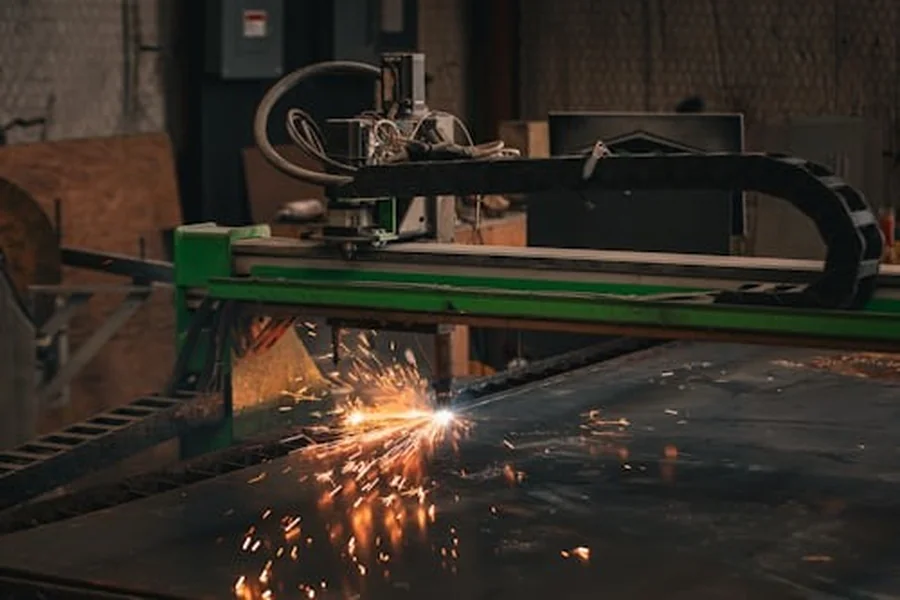
In the realm of manufacturing and fabrication, precision is a non-negotiable aspect that dictates the overall quality, efficiency, and innovation in production processes. One particular area that has undergone significant advancements in the pursuit of precision is metal laser cutting services. This cutting-edge technology has revolutionised the way materials are shaped and prepared for a multitude of industries.
The Evolution of Metal Laser Cutting
Laser cutting, since its inception, has steadily evolved. The process uses a high-powered laser to cut materials, providing precise cuts with clean edges, and minimal wastage. The sophistication of this technology allows industries to produce complex shapes with remarkable accuracy.
Integration of Computer-Aided Design (CAD)
With the integration of Computer-Aided Design (CAD) software, the capabilities of laser cutting have been elevated. This software allows for intricate designs to be executed flawlessly, providing engineers and designers with a tool that matches their creative intent without the limitations of traditional cutting methods.
Laser cutting’s precision eliminates the need for additional finishing, saving time and resources. The streamlined process from design to production reduces the turnaround time significantly, allowing for quicker market entry for new products.
Innovations in Laser Technology
Recent technological enhancements in laser cutting include fibre lasers, which offer higher speeds and greater efficiencies in cutting. Fibre lasers are not only faster but also capable of cutting reflective metals without the risk of back reflections that can damage traditional CO2 lasers.
Automation in Laser Cutting
The integration of automation into metal laser cutting services has been a game-changer. Automated loading and unloading systems and the ability to run lights out (unattended) have increased productivity. The automation systems are designed to optimise workflow, improve cutting performance, and ensure safety during operation.
The precision of automated laser cutting systems also minimises human error, contributing to the overall accuracy of the final product. This automation enables a reduction in labour costs and provides a consistent quality in mass production scenarios.
Advantages of Precision Fabrication Techniques
The meticulous nature of precision fabrication techniques employed in metal laser cutting services translates into significant benefits. These advantages have far-reaching implications for industries reliant on metal fabrication including automotive, aerospace, industrial machinery, and more.
Quality and Consistency
By employing laser cutting for fabrication, the output quality is consistently high. The precision cuts ensure that each piece is identical to the last, a crucial factor for components that must fit together perfectly in assemblies.
This high level of consistency allows for better quality control and fewer rejections or reworks, contributing positively to a company’s reputation and customer satisfaction.
Material Optimisation and Sustainability
Precision fabrication techniques such as laser cutting help in material optimisation, reducing waste significantly. By maximising material usage, costs are reduced and environmental impact is minimised, contributing to more sustainable manufacturing practices.
The ability to use lighter, stronger materials and to create intricate designs enhances the functionality and performance of end products while reducing their environmental footprint.
The Role of Skilled Operatives
Despite the high degree of automation, the role of skilled operatives in precision laser cutting cannot be understated. Their expertise in operating and maintaining the cutting machines ensures the technology’s potential is fully realised.
Operators must understand the intricacies of laser parameters such as power, focal point and cutting speed. A skilled workforce is fundamental in navigating the complexities of advanced machinery and software.
Customisation and Flexibility
Laser cutting services provide unparalleled flexibility when it comes to customisation. The precision and control afforded by laser technology enable production to adapt swiftly to design changes and client specifications.
This flexibility is particularly beneficial in prototype development, where several iterations are common. Metal laser cutting services can quickly produce prototypes that reflect the final product accurately, speeding up the development cycle.
Challenges and Solutions
As with any technological advancements, challenges arise. In the context of laser cutting, these have included managing thermal stress and cut quality across different types of materials.
Solutions have been found through continuous research and development. Advances in laser power control and adaptive optics have addressed these challenges, enabling the laser cutting process to remain at the forefront of precision fabrication technologies.
Conclusion
The advancements in metal laser cutting services have been instrumental in the progression of precision fabrication techniques. This field continues to push the boundaries of what is possible in manufacturing, influencing a wide range of industries and underscoring the importance of innovation in production.
As industry demands grow ever stricter regarding quality, efficiency, and intricacy, the role of precise, advanced services such as laser cutting becomes increasingly significant. Integrating these services helps companies maintain a competitive edge, ensuring their products meet the stringent standards expected by consumers and industry alike.
It is the combination of human expertise and technological evolution that propels laser cutting to new heights, cementing its place as a vital component in the modern manufacturing landscape and driving the future of precision fabrication.
