
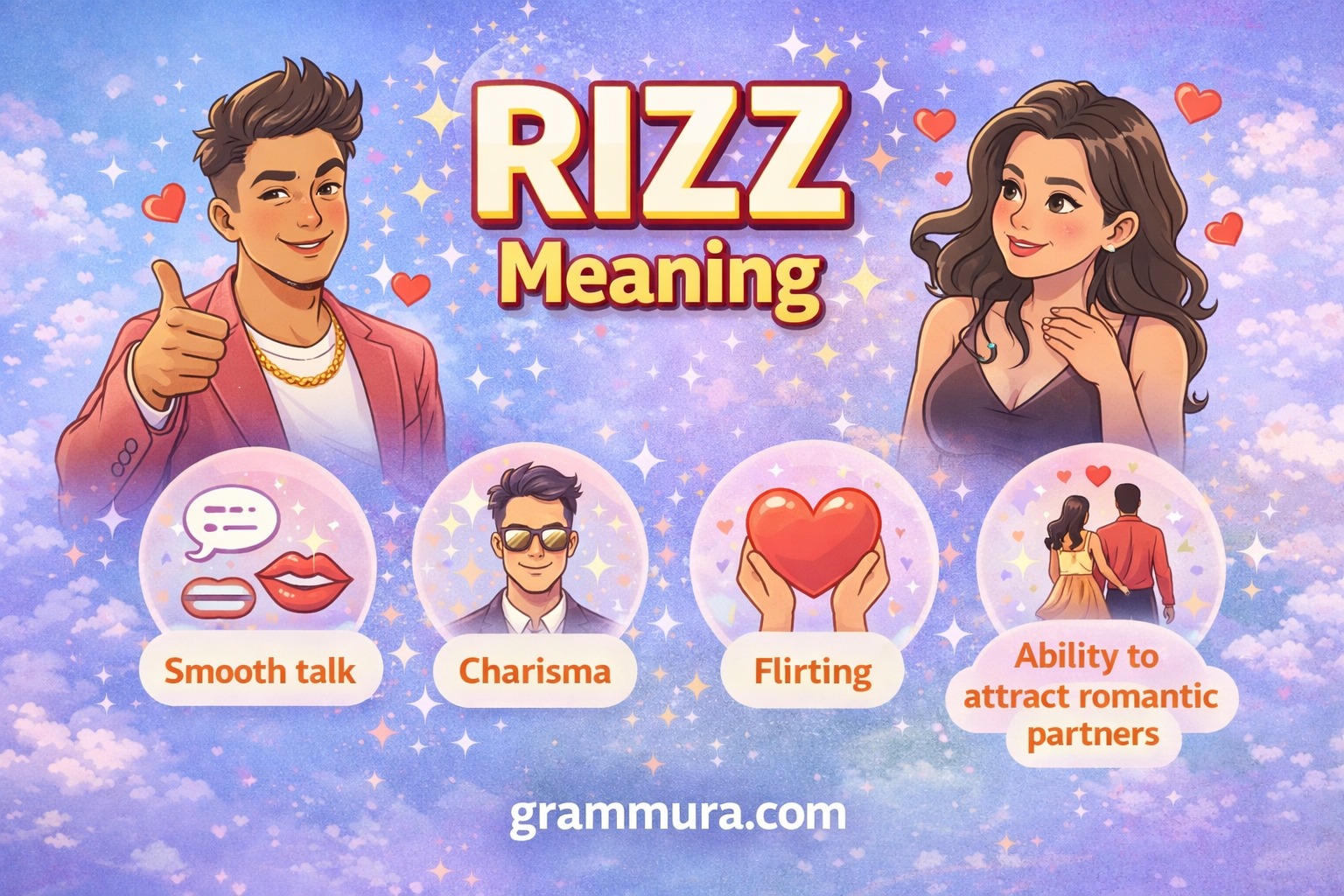
Language changes fast online. New words appear almost every week. One word that has spread everywhere is the RIZZ meaning. You see it on TikTok. You hear it in school halls. You read it in comments and chats. People use it in jokes and real talk. But many still ask what it really means and why it became so popular.
This article explains the meaning of rizz in a clear way. No hard words. No forced tone. Just a real explanation that feels natural.
RIZZ Meaning and Where It Came From
The RIZZ meaning is simple. Rizz means charm. It is the ability to talk smoothly and connect with someone. Most people use it when talking about social confidence. Often in a playful way.
The word comes from the word charisma. Over time it was shortened. Online creators helped push it into daily talk. One creator in particular made it popular on livestreams and short videos. Soon everyone picked it up.
When someone says “he has rizz” they mean the person knows how to talk. They know how to read the moment. They feel relaxed and confident. When someone says “no rizz” it means the opposite. The person feels awkward or unsure.
Rizz is not about looks alone. It is more about how someone carries themselves. How they speak. How they react.
Quick Facts About Rizz
| Topic | Details |
| Full meaning | Social charm and smooth talking |
| Origin | Short form of charisma |
| Popular platform | TikTok and YouTube |
| Common use | Jokes and casual talk |
| Tone | Playful and informal |
| Used by | Mostly teens and young adults |
How People Use Rizz in Daily Life
Rizz meaning is now part of normal online language. Teens use it the most but adults know it too. You can hear it used in many ways.
Friends might joke with each other. Someone fails at a conversation and others say “zero rizz.” Someone makes people laugh and gets praise for having rizz.
It is often light and playful. Not serious. It is rarely meant to insult deeply. Most of the time it is just teasing.
People also use it as a noun. They say “that was pure rizz.” Or as a verb. “He rizzed them up.” These uses are common online.
The meaning stays the same. It points to social skills and smooth talk.
Read Also: CAP Meaning
Why Rizz Became So Popular
The internet loves short words. Rizz is short. Easy to say. Easy to type. That helped it grow fast.
Another reason is humor. People enjoy rating social moments. They joke about wins and failures. Rizz fits that style well.
Online clips also helped. Short videos show quick moments. A smooth line or an awkward pause. Viewers comment “rizz” or “no rizz.” The word spreads again.
It also feels modern. Using it shows you understand online culture. That matters to many users.
Is Rizz a Good or Bad Thing
Most of the time rizz is positive. Saying someone has rizz is a compliment. It means they handle social moments well.
But it can be negative too. Saying someone has no rizz can feel harsh if said seriously. Context matters. Tone matters.
Online jokes can sound mean when taken out of context. That is why people should be careful using it in real life.
Rizz should stay fun. It works best as humor. Not as a label.
Read Also: NO CAP Meaning
Rizz vs Confidence
Some people think rizz and confidence are the same. They are close but not equal.
Confidence is how you feel inside. Rizz is how it shows outside. A person can feel confident but still speak awkwardly. Another can feel nervous but still charm people.
Rizz often includes timing. Knowing when to speak. Knowing when to stop. Listening matters too.
So while confidence helps rizz it is not the full picture.
Can Rizz Be Learned
Many people ask if rizz is natural or learned. The truth is both.
Some people talk easily from a young age. Others learn over time. Practice helps a lot.
Listening more helps. Paying attention helps. Being relaxed helps.
Rizz does not mean using lines. It means being present. People respond to real interest more than words.
So yes, rizz can grow. It is not fixed.
Read Also: WTV Meaning
Rizz in Online Culture
Online culture shapes how words live. Rizz lives strong online.
Memes use it often. Short clips focus on moments of success or failure. Comments repeat the word again and again.
Even brands use it now. Some ads try to sound modern by using rizz. This sometimes works. Sometimes it feels forced.
Still the word keeps spreading. It crossed from slang into common talk.
When Not to Use Rizz
Not every setting fits slang. Rizz works with friends. It works online. It does not always work in formal places.
Using it in serious talks can sound strange. Using it with people who do not know the word can confuse them.
Knowing your audience matters. That is part of real rizz too.
The Real RIZZ Meaning Today
The RIZZ meaning today is clear. It means social charm in a casual sense. It is not deep. It is not formal. It is part of modern slang.
It shows how language changes. How online spaces shape words fast.
Rizz may fade one day. Or it may stay. Either way it shows how people enjoy simple words that explain shared moments.
Final Thoughts
Rizz is more than a trend word. It reflects how people connect today. Short videos. Quick jokes. Fast reactions.
Understanding rizz helps you understand online talk better. You do not need to use it. But knowing it helps you follow conversations.
The meaning stays simple. Rizz is about smooth social energy. Nothing more. Nothing less.
And that is the full story behind the rizz meaning.
Read Also: ASF Meaning
FAQs:
What is the RIZZ meaning?
Rizz means social charm or smooth talking. It describes how well someone connects with others in a relaxed and confident way.
Where did the word rizz come from?
Rizz comes from the word charisma. It became popular through online creators and spread fast on social media platforms.
Is rizz a good or bad word?
Rizz is usually a positive word. It is often used as a compliment, though it can be playful or teasing depending on the situation.
Can anyone have rizz?
Yes. Rizz is not fixed. People can improve it by gaining confidence, listening better, and practicing social skills.
Is rizz only used online?
No. While it started online, people now use rizz in real-life conversations, especially among friends and younger groups.
