
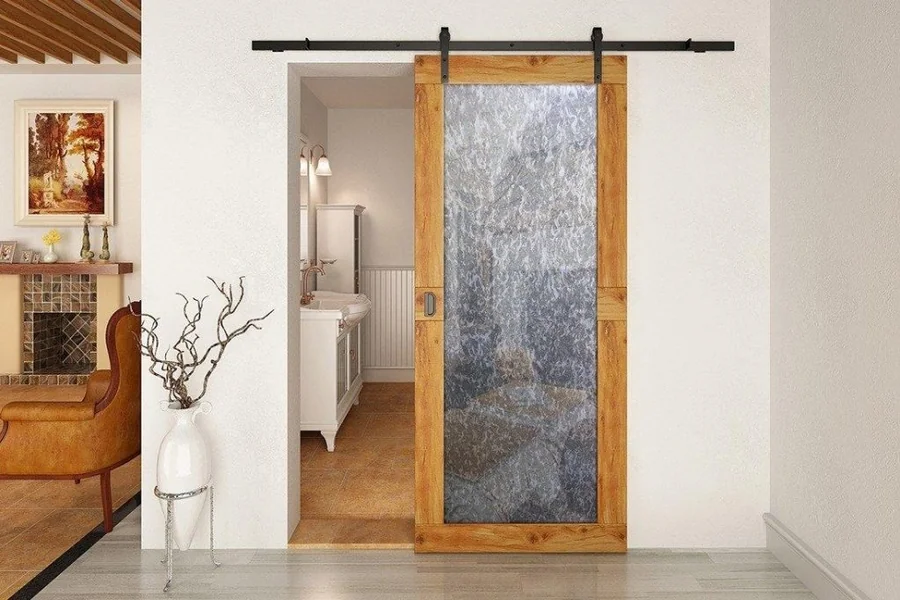
Sliding barn doors have officially graduated from “farmhouse fad” to design staple. They solve real layout problems, look intentional, and—when chosen well—feel like they belong rather than shout for attention. The real debate today isn’t whether to install one. It’s which style of sliding barn door hardware makes sense for your space: modern or rustic.
Both styles can look fantastic. Both can also look wildly out of place if paired poorly. And both have functional differences that are easy to overlook when you’re scrolling inspiration photos at midnight.
Let’s break down modern vs. rustic sliding barn door hardware in a way that’s practical, honest, and grounded in how homes are actually used.
First, What Really Defines “Modern” vs. “Rustic”?
It’s Not Just About Color
The difference between modern and rustic sliding barn door hardware goes far beyond black versus raw steel.
Modern hardware prioritizes:
- Clean lines
- Minimal visual weight
- Precision movement
- Discreet mounting
Rustic hardware leans into:
- Heavier materials
- Visible fasteners
- Texture and patina
- A sense of history
Both styles can be functional. The difference is how much presence you want the hardware to have in the room.
Modern Sliding Barn Door Hardware: Quiet Confidence
Designed to Disappear (Almost)
Modern sliding barn door hardware is often chosen for what it doesn’t do. It doesn’t dominate the wall. It doesn’t compete with furniture or finishes. It supports the door and steps aside.
Slim tracks, hidden fasteners, and understated rollers are common features. In some cases, the hardware nearly blends into the wall, allowing the door panel itself to take center stage.
This makes modern hardware a natural fit for:
- Contemporary homes
- Minimalist interiors
- Scandinavian-inspired spaces
- Urban lofts
If your design philosophy is “less, but better,” modern hardware aligns naturally.
Function First, Always
Modern systems often emphasize smoothness and silence. Precision rollers, soft-close options, and engineered tracks focus on daily usability.
The goal isn’t to remind you the door exists. It’s to let it work without commentary.
Rustic Sliding Barn Door Hardware: Bold and Intentional
Hardware as a Design Feature
Rustic sliding barn door hardware does the opposite of hiding. It announces itself.
Thick steel tracks, exposed bolts, oversized rollers, and textured finishes are all part of the appeal. Rustic hardware often looks deliberately industrial or handcrafted—even when it’s newly manufactured.
This style works especially well in:
- Farmhouse interiors
- Industrial spaces
- Cabins or cottages
- Homes with reclaimed materials
Rustic hardware adds character quickly. Sometimes very quickly.
Embracing Imperfection
One of the strengths of rustic sliding barn door hardware is its tolerance for visual irregularity. Slight variations, patina, and texture aren’t flaws—they’re features.
In spaces that already celebrate warmth and texture, rustic hardware feels grounded rather than chaotic.
How Each Style Affects the Door Itself
Door Design Matters More Than You Think
Hardware and door panels are a partnership. Pairing the wrong combination can undermine both.
Modern sliding barn door hardware pairs best with:
- Flat-panel doors
- Solid colors or subtle grain
- Glass or composite materials
Rustic hardware complements:
- Planked or reclaimed wood doors
- Distressed finishes
- Visible knots and grain
Mixing styles can work, but it requires intention. A rustic door on modern hardware often feels more successful than the reverse.
Visual Weight and Room Balance
Modern Hardware Keeps Things Light
In smaller rooms or tight layouts, modern sliding barn door hardware has an advantage. Its slim profile reduces visual clutter and keeps walls feeling open.
This matters more than people expect—especially in apartments, hallways, or bathrooms where every inch counts.
Rustic Hardware Anchors the Space
Rustic hardware adds visual weight. In large rooms or spaces with high ceilings, that can be a benefit. It grounds the wall and adds structure.
In smaller rooms, however, rustic hardware can feel overwhelming if not carefully balanced.
Maintenance and Aging Over Time
Modern Hardware Ages Quietly
Modern finishes—especially powder-coated or anodized options—tend to age consistently. They don’t change much, which is often the goal.
Dust shows less. Wear is subtle. Movement stays smooth with minimal maintenance.
Rustic Hardware Tells a Story (Whether You Want One or Not)
Rustic sliding barn door hardware may change over time. Raw steel develops patina. Finishes wear at contact points. That evolution can be charming—or frustrating—depending on expectations.
If you like things to look exactly the same five years from now, rustic hardware may test your patience.
Installation Differences Worth Noting
Precision vs. Forgiveness
Modern sliding barn door hardware systems often require more precise installation. Slim tracks and tight tolerances mean measurements matter.
Rustic systems tend to be more forgiving. Thicker components hide small imperfections, which can make installation less stressful—especially in older homes with imperfect walls.
Neither approach is better. They’re just different.
Which Style Feels More “Timeless”?
Timeless Depends on Context
Modern hardware feels timeless in spaces that prioritize simplicity and flexibility. It adapts easily as furniture and décor change.
Rustic hardware feels timeless in environments that value tradition, texture, and character. In the wrong space, though, it can feel like a costume.
The key is matching hardware style to the architecture of the home, not just current trends.
Noise and Movement: Subtle but Important
Modern sliding barn door hardware typically prioritizes quiet operation. Bearings are refined. Tracks are smoother.
Rustic hardware may produce more audible movement—not because it’s poorly made, but because heavier components create more sound. Some people enjoy that feedback. Others don’t.
Know which camp you’re in before choosing.
Mixing Modern and Rustic: Can It Work?
Yes—but carefully.
A clean-lined door with rustic hardware can look intentional in industrial spaces. A rustic door on modern hardware can feel updated without losing character.
The mistake is mixing styles accidentally. If you’re going to blend, do it deliberately.
Choosing between modern and rustic sliding barn door hardware isn’t about right or wrong. It’s about understanding how each style interacts with space, light, scale, and daily use.
Modern hardware offers restraint, precision, and flexibility. Rustic hardware delivers presence, texture, and personality.
The best choice is the one that feels natural in your space—and still feels good years later, when the novelty has worn off and the door is just part of everyday life.
Because in the end, great design doesn’t demand attention. It earns it quietly, every time the door slides open.
