
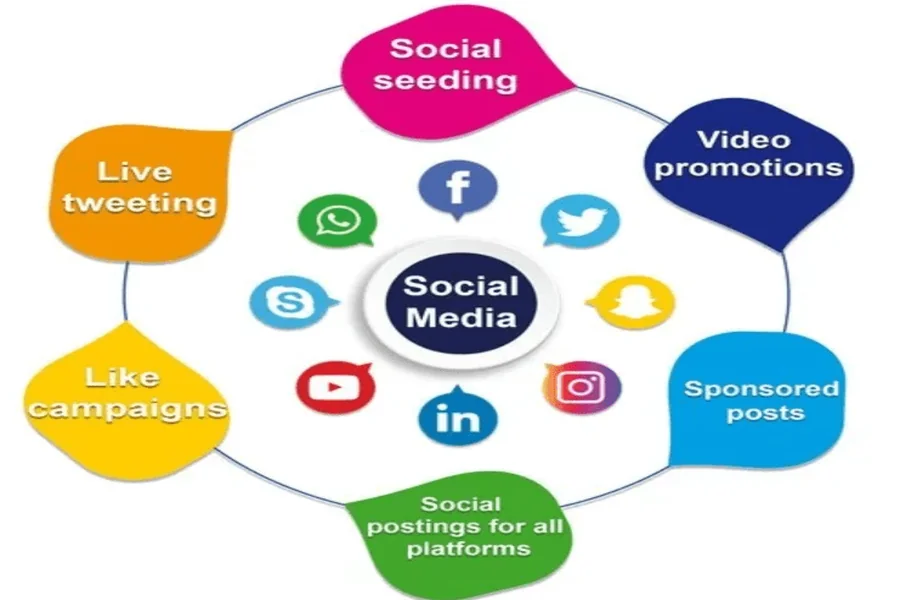
With technology continuously advancing and evolving, social media promotion has grown to become a highly valued service for businesses, influencers, and startups. Brands are always keeping their ears to the ground to know how they can be seen and heard by millions of users logging in every day. If you are in the business of offering social media promotions, one of the major headaches is coming up with a pricing structure that would really work. A transparent pricing model goes a long way to enticing the clients while sustaining grow your digital footprint.
Once implemented rightly, your services can allow clients to nurture their digital footprints, engage people toward visibility, and ultimately create valuable engagement. Now, let us explore how to set up a pricing structure that would work as a trade between your clients’ value and your company’s profit.
Why Pricing Structure Matters
Before engaging in strategies, it is paramount to understand why pricing becomes a very big deal:
- Clients require: Detailed knowledge about services rendered; hence, transparency is paramount to building trust.
- Sets expectation: A pricing structure provides clarity so everybody knows what to expect out of the activity delivered.
- Demonstrates professionalism: Organized pricing, therefore, means distancing yourself from competitors.
- Scalable: Flexibility makes it easy to serve different client requirements.
Common Pricing Models for Social Media Promotion
There isn’t a one-size-fits-all method, but most service providers use one or a mix of these models:
Hourly Rate: Charging by the hour works fantastically well for freelancers or smaller projects. They realize they are paying for his time, and one gets compensated fairly for the effort put in. However, there’s usually a hurdle when scaling up because clients sometimes get worried about how the costs will really add up.
Monthly Retainer: That is the most common model, where all clients pay fixed monthly fees for services rendered to them, such as posting whatever content, land, or advertising management on their account, as well as reporting for that month. Retainers ensure consistent revenue for you and consistent results for your clients.
Project-Based Pricing: Here, you define parameters and charge one lump sum for specific campaigns, such as when they launch a new product or run a seasonal advertising push.
Performance-Based Pricing: Some agencies base on their brand for charging depending on the result, like engagement growth or lead conversions, or sales conversions. It can attract clients, but needs to be strongly prove to them that you can deliver measurable results.
Key Factors to Consider When Structuring Prices
Scope of Work
What is included in your service? Will you work on paid ads alone, or on content creation and engagement as well? Will you be doing analytics? Services should include as much as you can offer at much higher prices.
Client Goals
Some clients want just visibility, and others want conversions. If you are helping them grow a multi-channel strategy to ultimately improve their digital footprint, then let the pricing reflect the value of impact.
Platform Complexity
Different work levels might be demanded for social ads performed for TikTok or Instagram, in contrast with LinkedIn or YouTube. The considerations behind pricing decisions should be somewhat platform-specific.
Experience and Expertise
Do not undervalue your skills at all. If you have a history of successful promotions under your name, you may charge premium prices because clients will be paying for proven capabilities.
Add-Ons and Customization
Optional add-ons can include influencer collaboration, advanced reporting, or video production, and custom packages provide clients with the scope to grow their services along with their needs.
Final Thoughts
Social media promotion services are balanced by structured pricing. Clients ought to know for themselves what adds value to their purchasing decisions and why that something deserves the reward for their time, effort, and skills. When the pricing model is built around scope, objectives, and long-term value, clients are attracted to you, and they learn to trust you and see you as a facilitator in their growth.
In short, a pricing model should show what it can contribute to the development of businesses’ digital footprint in a crowded space.
