
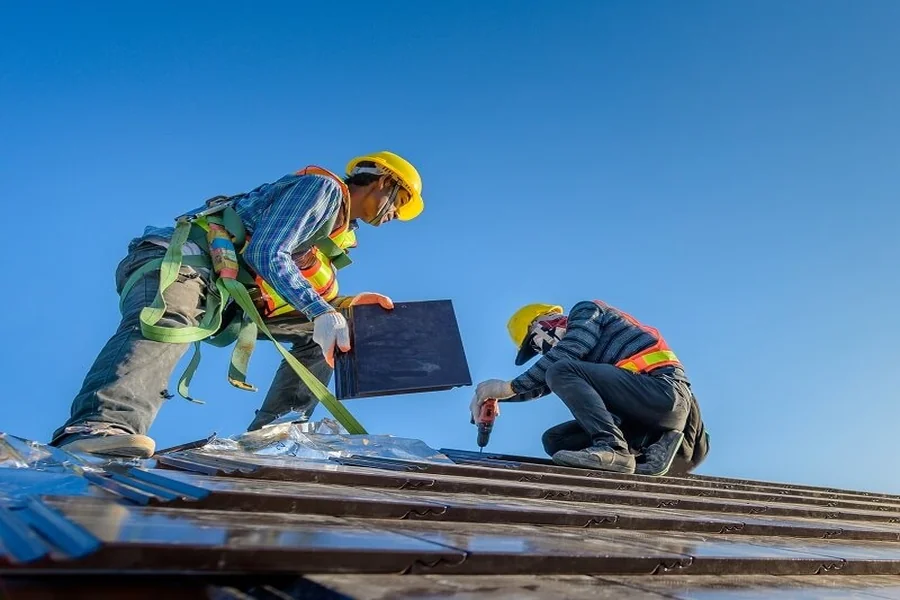
When considering a roof replacement in Lakeland, one of the first questions homeowners ask is, “How long will my new roof last?” It’s a smart question—after all, a roof is one of the biggest investments you’ll make in your home. The lifespan of a roof depends on several factors, including the material used, the climate conditions in Lakeland, and the quality of the installation. Understanding these elements will help you choose the best roofing option for long-term durability and value.
In 2025, many Lakeland homeowners are upgrading their roofing systems due to rising energy costs, changing weather patterns, and the need for stronger storm protection. Let’s break down what you can expect from different roof types and what influences their longevity.
Understanding Lakeland’s Climate Impact on Roof Lifespan
Lakeland is known for its humid subtropical climate, which brings high levels of heat, moisture, and strong storm activity. These factors significantly affect a roof’s durability.
Here’s how local weather plays a role:
- UV Exposure: Lakeland gets more than 230 days of sunshine per year. Constant sun exposure can weaken roof materials over time.
- Heavy Rainfall: Frequent rainfall, especially during hurricane season (June to November), can speed up wear and tear.
- High Humidity: Moisture can affect underlayment and cause mold, rot, or algae growth if the roofing material is not designed to withstand it.
- Windstorms: Strong winds during tropical storms can loosen shingles and damage roof structures.
These environmental conditions mean that the lifespan of roofs in Lakeland can differ from national averages. This is why choosing the right materials and a reputable roofing contractor is critical.
Average Lifespan of Different Types of Roof Replacement in Lakeland
The type of material you choose significantly affects how long your newly replaced roof will last. Below are the most common roofing materials used in Lakeland and their typical lifespan.
1. Asphalt Shingle Roofs: 15–25 Years
Asphalt shingles remain the most popular choice due to affordability and versatility. In Lakeland, the typical lifespan of a new asphalt shingle roof ranges from 15 to 25 years, depending on:
- Quality of the shingle (architectural shingles last longer than 3-tab shingles)
- Proper ventilation
- Resistance to UV exposure and wind uplift
Architectural shingles installed in 2025 often include improved UV protection and wind ratings up to 130 mph, extending their longevity compared to older materials.
2. Metal Roofs: 40–70 Years
Metal roofing is rapidly increasing in popularity in the Lakeland area. It is highly durable, energy-efficient, and resistant to Florida’s weather extremes.
A properly installed metal roof can last 40 to 70 years, making it one of the best long-term investments for homeowners. They resist rot, mold, and fire, and they reflect solar heat — reducing energy bills by up to 25%.
3. Tile Roofs (Clay or Concrete): 50–100 Years
Tile roofs are an excellent option for homeowners looking for both longevity and style. In Lakeland, many Mediterranean-style homes use clay or concrete tiles because they can endure Florida’s heat and humidity.
Tile roofs typically last 50 to 100 years, but their underlayment usually needs replacement after 20–30 years. Even with this maintenance requirement, tile is still one of the longest-lasting roofing materials available.
4. Flat Roofing Systems: 15–30 Years
Flat roofs are common for commercial buildings and some modern residential designs. Their lifespan depends on the material used:
- TPO: 15–20 years
- EPDM: 20–30 years
- Modified Bitumen: 12–20 years
In 2025, new flat roofing technologies with improved heat-welded seams offer better resistance to moisture and UV rays, increasing durability.
Factors That Influence How Long a Roof Replacement in Lakeland Lasts
Beyond materials, several other factors impact how long your roof will hold up:
1. Installation Quality
Even premium materials won’t last if the installation is poor. Hiring a licensed and experienced roofing contractor in Lakeland ensures proper underlayment, ventilation, and sealing—all crucial for long-term performance.
2. Roof Ventilation
Proper ventilation prevents heat buildup in the attic, reducing stress on shingles and underlayment. Good airflow can extend roof life by up to 20%.
3. Maintenance Routine
Regular inspections help catch small issues before they become expensive repairs. Experts recommend at least two inspections per year, especially after major storms.
4. Storm Protection Features
Hurricane straps, reinforced underlayment, and upgraded fasteners can significantly increase lifespan and reduce storm-related damage.
Signs Your Roof in Lakeland May Need Replacement Sooner
Even with good care, roofs eventually wear out. Watch for these signs:
- Curling or cracked shingles
- Missing shingles after storms
- Visible sagging areas
- Water stains on ceilings
- Frequent leaks
- Moss or algae growth
- Rising energy bills due to reduced insulation efficiency
If your roof is more than 20 years old, a replacement may be more cost-effective than continuous repairs.
How to Maximize the Lifespan of Your Roof Replacement in Lakeland
To ensure your roof reaches its full expected lifespan, consider these best practices:
- Schedule annual professional inspections
- Clean gutters regularly
- Remove debris such as branches and leaves
- Trim overhanging trees
- Apply protective coatings when recommended
- Invest in high-grade underlayment and roofing materials
Small preventive steps can extend your roof’s life by several years.
Final Thoughts: Make Your Roof Replacement in Lakeland Last Longer
A roof replacement in Lakeland can last anywhere from 15 to over 70 years depending on the materials, climate conditions, and how well you take care of it. With Lakeland’s intense sun, storms, and humidity, choosing high-quality materials and a skilled roofing contractor is essential. Investing in proper installation and regular maintenance ensures that your roof will protect your home and add value for decades.
If you are planning a roof replacement, understanding these lifespan expectations will help you make informed decisions and maximize your long-term investment.
