
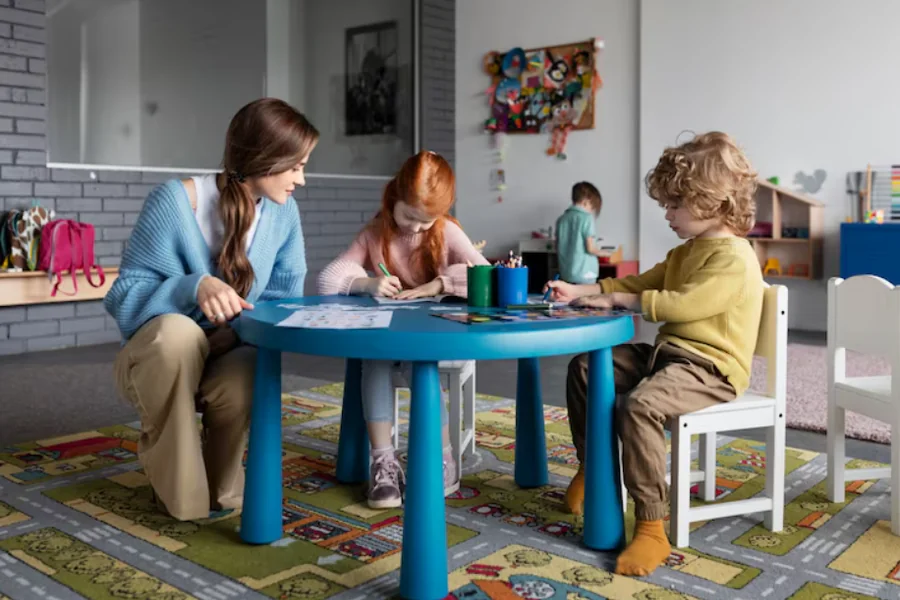
An early learning childcare centre plays a vital role in a child’s formative years, offering much more than basic supervision. These centres provide structured, nurturing environments where children begin to explore the world, develop essential skills, and build confidence in their abilities, with programmes such as Small Wonder early learning Childcare Centre supporting this crucial stage of development. During early childhood, experiences have a profound influence on how children think, feel, and interact with others.
Parents increasingly recognise the importance of choosing high-quality early care, as it lays the foundation for future learning and personal growth. A well-run early learning childcare centre supports children academically, socially, and emotionally, preparing them for the next stages of education and life.
The Importance of Early Learning Childcare Centres
Early learning childcare centres are instrumental in supporting cognitive development during the years when the brain is most receptive to learning. Through age-appropriate activities, storytelling, problem-solving tasks, and guided play, children develop language skills, memory, and early reasoning abilities. These experiences encourage curiosity and help children make sense of the world around them.
Equally important is the development of emotional intelligence. In a childcare setting, children learn to recognise emotions, express feelings appropriately, and develop empathy for others. Consistent routines and positive interactions with caregivers help children feel secure, which is essential for emotional well-being and self-confidence.
Social development is another critical aspect of early learning childcare centres. Daily interactions with peers allow children to practise communication, cooperation, and conflict resolution. These early social experiences help children understand boundaries, respect differences, and build relationships, skills that remain valuable throughout life.
Creativity and critical thinking are also nurtured in quality early care environments. Open-ended activities encourage children to explore ideas, experiment, and express themselves. This approach helps children become adaptable thinkers who are comfortable approaching challenges with confidence and imagination.
Key Features of a High-Quality Early Learning Childcare Centre
A defining characteristic of a high-quality early learning childcare centre is the presence of trained and compassionate educators. Skilled caregivers understand child development and are equipped to respond to individual needs. Their warmth and attentiveness create a safe space where children feel valued and supported as they grow.
The learning environment itself plays a significant role in development. A nurturing and well-organised setting encourages exploration while maintaining structure. Children benefit from environments that balance comfort with stimulation, allowing them to engage actively while feeling secure.
A balanced and structured curriculum is another essential feature. Effective programmes integrate play-based learning with guided activities that support language, numeracy, physical development, and social skills. Rather than focusing solely on academic outcomes, a strong curriculum supports holistic growth and encourages a love of learning.
Facilities that promote learning and development further enhance the childcare experience. Thoughtfully designed spaces support movement, creativity, and collaboration. Safe and engaging environments help children develop independence while allowing caregivers to guide learning effectively.
The Impact of Quality Early Care on Future Success
Research consistently shows that children who attend high-quality early learning childcare centres experience long-term benefits. Early exposure to supportive learning environments has been linked to improved academic performance, stronger social skills, and better emotional regulation in later years. These early advantages often extend into adulthood, influencing career success and personal well-being.
Beyond academic outcomes, early learning childcare centres foster resilience and adaptability. Children learn how to cope with change, follow routines, and solve problems independently. These abilities help them navigate future challenges with confidence and flexibility.
Many families observe noticeable differences in children who have experienced quality early care. Children often demonstrate improved communication skills, greater independence, and a positive attitude towards learning. These outcomes highlight the lasting impact that early learning environments can have on a child’s overall development.
Choosing the Right Early Learning Childcare Centre
Selecting an early learning childcare centre requires careful consideration. Parents should ensure that the centre operates within recognised regulations and employs qualified staff who prioritise child safety and development. Licensing and training standards offer reassurance that children are cared for in a professional environment.
Understanding the curriculum and teaching philosophy is equally important. A programme that aligns with a child’s learning style and developmental needs supports more meaningful engagement. Observing how learning is delivered can provide insight into whether the centre values exploration, creativity, and emotional well-being alongside structured learning.
Child-to-staff ratios also influence the quality of care. Lower ratios allow caregivers to provide individual attention, respond promptly to needs, and build strong relationships with children. This personalised approach supports both learning and emotional security.
Visiting a childcare centre provides valuable insight into its daily operations. Observing cleanliness, facilities, and interactions between staff and children helps parents assess whether the environment feels welcoming and supportive. Positive, respectful communication is often a strong indicator of quality care.
Supporting Lifelong Learning Through Early Care
An effective early learning childcare centre does more than prepare children for school. It fosters a mindset of curiosity and adaptability that supports lifelong learning. Children are encouraged to ask questions, explore ideas, and develop confidence in their abilities.
These centres also help children develop independence by encouraging decision-making and responsibility at an early age. By learning how to manage simple tasks and navigate social situations, children gain skills that support long-term personal growth.
When families and childcare providers work together, children benefit from consistent guidance and encouragement. This partnership strengthens learning outcomes and ensures that children feel supported both at home and within the childcare environment.

Conclusion
An early learning childcare centre plays a crucial role in shaping a child’s early experiences and long-term development. By supporting cognitive, emotional, and social growth, quality early care provides children with the tools they need to thrive in education and beyond.
Choosing the right childcare centre is an investment in a child’s future. With trained educators, nurturing environments, and balanced learning approaches, early learning childcare centres help children develop confidence, resilience, and a genuine love of learning. These foundations not only support academic readiness but also contribute to well-rounded, capable individuals prepared for the challenges of life.
