
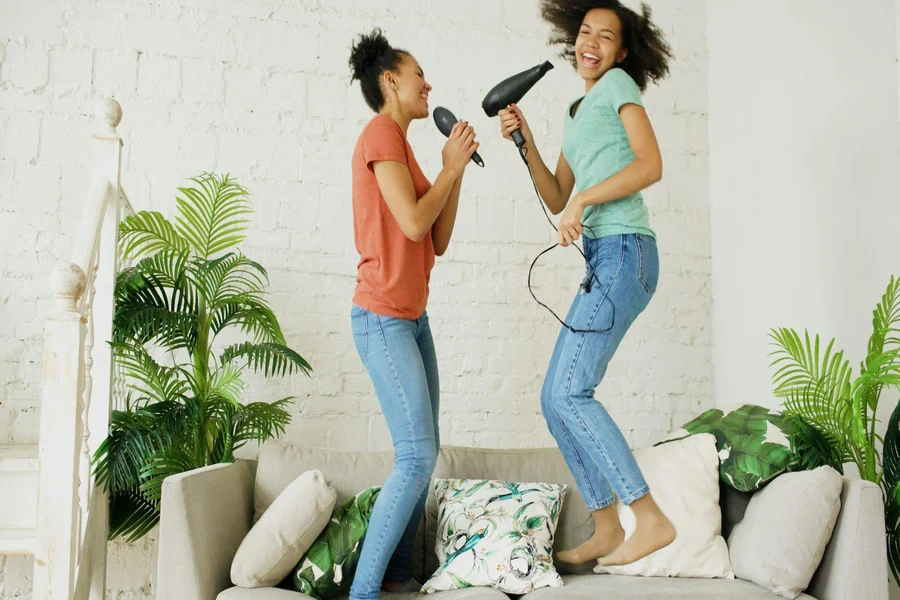
Somewhere between juggling responsibilities, answering emails, and keeping life moving, adults start to forget something essential: the simple act of having fun. Many people spend their days in a state of constant productivity, leaving little room for spontaneity or lightness. It’s why small, unexpected moments of joy feel so refreshing. For some, that might mean planning a themed weekend with friends, trying an unfamiliar hobby, or even doing something impulsive like deciding to buy firecrackers online just to add a touch of excitement to an upcoming gathering. These tiny bursts of playfulness can shift the energy of an entire week, not because they’re extravagant, but because they remind us that adulthood doesn’t have to be all structure and seriousness.
Reintroducing play into adult life isn’t childish. It’s a necessary counterweight to the demands of a world that never seems to slow down.
The Disappearance Of Play In Mature Life
As children, play came naturally. We ran, explored, invented games, and laughed for no particular reason. That instinct never fully disappears; it simply gets buried under the weight of expectation and responsibility. Adults feel pressure to be efficient, reliable, and constantly “on,” and as a result, creativity and joy often get pushed aside.
Modern life magnifies this. Work follows us home through our phones. Social media adds layers of comparison. Schedules fill up faster than they empty. Play becomes something reserved for vacations or rare “free days,” even though the brain continues to crave novelty and delight. Without it, stress accumulates and life begins to feel overly linear and mechanical.
Why Play Is Essential For Mental Health
Playfulness activates parts of the brain linked to pleasure, curiosity, and emotional resilience. When adults allow themselves moments of fun, their stress levels decrease, their mood stabilizes, and their ability to solve problems improves. In many ways, play functions as one of the most accessible forms of emotional regulation activities, helping the nervous system reset through curiosity, laughter, and creative expression. The American Psychological Association notes that playful behavior supports emotional regulation and reduces burnout, especially during overwhelming periods.
These benefits don’t require elaborate activities. Even five minutes of laughter, a creative experiment, or a spontaneous moment can shift the nervous system into a more balanced state. Play resets the mind by breaking patterns of tension and encouraging a sense of ease.
The Role Of Spontaneity In Reconnecting With Joy
Adults often schedule everything, even their attempts at relaxation. But much of real play stems from spontaneity, small, unplanned choices that bring a sense of lightness. This could be taking a different route home just to explore, cooking a meal with whatever ingredients happen to be available, joining a last-minute outing, or picking up a hobby without worrying about being “good” at it.
These unplanned moments work because they interrupt the brain’s autopilot mode. They remind us that life is not meant to be lived entirely through structure, and that joy often comes from doing something slightly unexpected. Spontaneity doesn’t require time or money; it requires permission to break routine.
How Play Strengthens Relationships
As adults, our relationships often revolve around responsibilities, coordinating schedules, running errands, managing tasks. But genuine connection thrives when people share enjoyable, lighthearted experiences. Playfulness opens space for humor, ease, and curiosity, which deepens emotional bonds in a way that structured conversations sometimes can’t.
Whether it’s planning a casual game night, exploring a new café, doing something mildly silly, or diving into a creative activity together, shared play helps relationships feel less transactional and more alive. Even small gestures, like sending a funny message or creating a tiny surprise for someone, can strengthen closeness.
The Creativity Boost That Comes From Play

Creativity isn’t limited to artists. All adults need flexible thinking, problem-solving skills, and the ability to view challenges from fresh perspectives. Play encourages this by shifting the brain away from performance mode and into curiosity mode.
When people engage in playful activities, painting, experimenting in the kitchen, exploring new places, trying new physical activities, or tinkering with a project, they give themselves permission to explore without fear of mistakes. This makes thinking more imaginative, solutions more inventive, and everyday life more interesting. Play creates mental spaciousness, allowing ideas to flow rather than forcing them.
Bringing Playfulness Back Into Daily Life
Reclaiming play doesn’t mean abandoning responsibilities. Instead, it means lightly weaving joy into the spaces between obligations. Adults can revisit hobbies they haven’t touched in years, plan occasional mini-adventures such as visiting a part of town they rarely explore, or create simple rituals that feel enjoyable, like a Sunday morning walk, an evening creativity hour, or a standing movie night.
Small shifts in the environment also help. Keeping a guitar in the living room, leaving a sketchbook open on a desk, or placing a puzzle on a coffee table makes play more accessible. Saying yes to spontaneous invitations, even small ones, can also open surprising pockets of joy.
These habits don’t need to be impressive. They simply need to feel meaningful.
Letting Go Of The Guilt Around Fun
One barrier many adults face is guilt, the sense that fun must be earned or justified. Productivity culture teaches that downtime is indulgent, yet fun is essential for emotional wellbeing. Enjoyment restores energy, supports motivation, and offers relief from the constant demand to be “on.”
Releasing this guilt is a powerful shift. When adults treat joy as nourishment rather than a distraction, they make decisions that support their long-term mental and emotional health. Fun becomes a source of strength, not a sign of irresponsibility.
Rediscovering Joy In A Demanding World
Playfulness does not erase responsibility; it balances it. It reconnects adults with a version of themselves that is lighter, more open, and more imaginative. Whether it comes from a creative project, a spontaneous outing, a shared laugh, or a small moment of silliness, play breathes color back into days that feel too rigid.
In a fast-paced world, choosing joy is not an afterthought, it is a conscious act of emotional preservation. And in many cases, it is the key to feeling like yourself again.
