
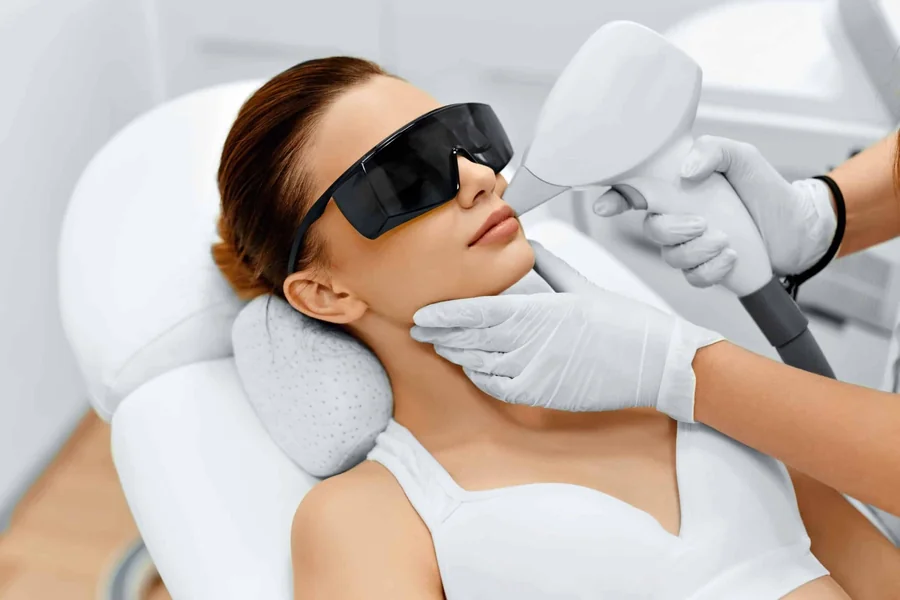
Starting your first laser hair removal treatment can be exciting, especially if you’ve been dealing with shaving, waxing, or threading for years. This modern, long-term solution is one of the most effective ways to reduce unwanted hair and achieve smoother skin with minimal maintenance. However, like any professional cosmetic procedure, preparation plays a key role in getting the best results.
Whether you’re targeting small areas like the underarms or larger zones such as the legs, preparing correctly ensures comfort, efficiency, and optimal outcomes. This guide covers everything you need to know before your session, along with expert-backed preparation tips and insights into what to expect when you visit a clinic like VicLaser.
Why Preparation Matters
Laser treatment works by targeting the pigment in hair follicles. The more accurately the laser can focus on these follicles, the smoother and more consistent your long-term results will be. Preparation also helps reduce temporary discomfort, prevent irritation, and make the overall session faster and more effective.
Even though the process is non-invasive and suitable for most hair and skin types, following a proper routine before your appointment ensures your skin is in its best condition.
Step 1: Avoid Waxing, Plucking, and Epilating
The laser needs the hair root to be present under the skin surface in order to target it successfully. Waxing, plucking, or epilating removes the hair from the root, which means the laser won’t have anything to detect.
It’s recommended to stop these hair removal methods at least four weeks before your session. Shaving, however, is allowed—and in fact, required—because it keeps the root in place while removing surface hair.
Step 2: Shave 24 Hours Before Your Appointment
Most professionals recommend shaving the treatment area the day before your session. This leaves a clean surface while ensuring the laser can still reach the follicles underneath.
Shaving too early may leave hair growth that interferes with the laser, while shaving too late (like immediately before the session) can cause skin sensitivity. A clean shave 24 hours prior is the perfect balance for both safety and effectiveness.
Step 3: Avoid Sun Exposure and Tanning Beds
Sun exposure is one of the biggest risks before and after laser hair removal. Tanned or sunburned skin makes the procedure less effective and increases the likelihood of irritation or pigmentation issues.
To avoid this:
- Stay out of direct sunlight for at least two weeks
- Avoid tanning beds entirely
- Use SPF 30 or higher daily on exposed areas
- Wear protective clothing if outdoors
The safer and lighter your skin tone, the more precisely the laser can target the follicles.
Step 4: Skip Active Skincare Ingredients
If you regularly use skincare products containing retinol, glycolic acid, salicylic acid, or vitamin C, pause them at least 3–5 days before your appointment. These active ingredients may leave your skin more sensitive, increasing the risk of redness or discomfort during the session.
For body areas like underarms, avoid deodorants containing harsh chemicals on the day of your appointment. Gentle cleansing is best.
Step 5: Stay Hydrated and Moisturise Leading Up to Your Session
Hydrated, healthy skin responds better to laser treatments. Although you should avoid heavy lotions on the day of your appointment, moisturising in the days prior helps keep your skin soft, smooth, and ready for treatment.
Drink plenty of water and use lightweight moisturisers that don’t leave oily residue.
Step 6: Understand the Expected Sensation
Most people describe the feeling of laser treatment as a light snapping or warm pulse. Thanks to modern cooling technology, discomfort is minimal and temporary. Knowing what to expect helps reduce anxiety and makes the experience feel easier.
Clinics often use cooling devices or gels that numb the treated area instantly. If you have a low pain threshold, you may request a patch test before your session to understand how your skin reacts.
Step 7: Dress Comfortably for Your Appointment
Wear loose, breathable clothing, especially if you’re treating areas like the legs, bikini line, chest, or underarms. Tight fabrics can irritate freshly treated skin.
Avoid makeup, deodorant, or lotions on treatment areas. Your therapist will clean the area before starting, but arriving with clean skin is always best.
Step 8: Discuss Your Medical History Honestly
Before your session, you’ll be asked about:
- Medications
- Supplements
- Skin conditions
- Allergies
- Tattoos in the treatment area
Some medications, especially photosensitive ones, can interfere with treatment. Being honest ensures your safety and helps your therapist tailor the treatment accordingly.
What to Expect During Your First Session
Your first session will include:
- A consultation to assess your skin and hair type
- A discussion of your goals
- A patch test if needed
- Laser treatment in the selected area
- Immediate cooling or soothing gel application
Most sessions last anywhere from 10 minutes to 60 minutes, depending on the size of the area being treated.
Right after your session, you may notice slight redness or warmth in the area—similar to a mild sunburn. This usually fades within a few hours.
How Many Sessions Do You Need?
Laser treatment requires multiple sessions because hair grows in cycles. Only follicles in the active growth stage respond to the laser, which is why most people need 6–10 sessions spaced 4–6 weeks apart.
Your therapist will create a personalised plan based on the thickness of your hair, the area being treated, and your overall goals.
Understanding the Cost of Treatment
If you’re comparing long-term hair removal methods, you may be wondering about the cost of laser hair removal and how it varies. Pricing typically depends on:
- The size of the treatment area
- The number of sessions required
- The technology used
- Whether package deals or memberships are available
Many people find that laser treatment is more cost-effective over time than continuous waxing or threading. Instead of paying monthly for temporary results, you make an investment that leads to long-lasting smoothness.
Aftercare Tips for Best Results
To keep your skin healthy after each session:
- Avoid hot showers, saunas, or heavy sweating for 24 hours
- Skip active skincare products for several days
- Avoid direct sunlight
- Apply aloe vera or soothing lotions as needed
- Do not pick or scratch the area
Hairs will begin to shed naturally over the following weeks. Avoid waxing or plucking between sessions.
Conclusion
Preparing for your first laser hair removal session doesn’t have to be complicated. With the right steps—avoiding sun exposure, shaving properly, pausing certain skincare products, and understanding what to expect—you can ensure smoother, safer, and more effective results. Busy individuals appreciate that this treatment offers fast appointments, long-term benefits, and minimal maintenance, all while fitting easily into a packed schedule.
Whether you’re treating one small area or opting for a full-body plan, proper preparation helps maximise every session and ensures you achieve the silky-smooth skin you’re after.
