
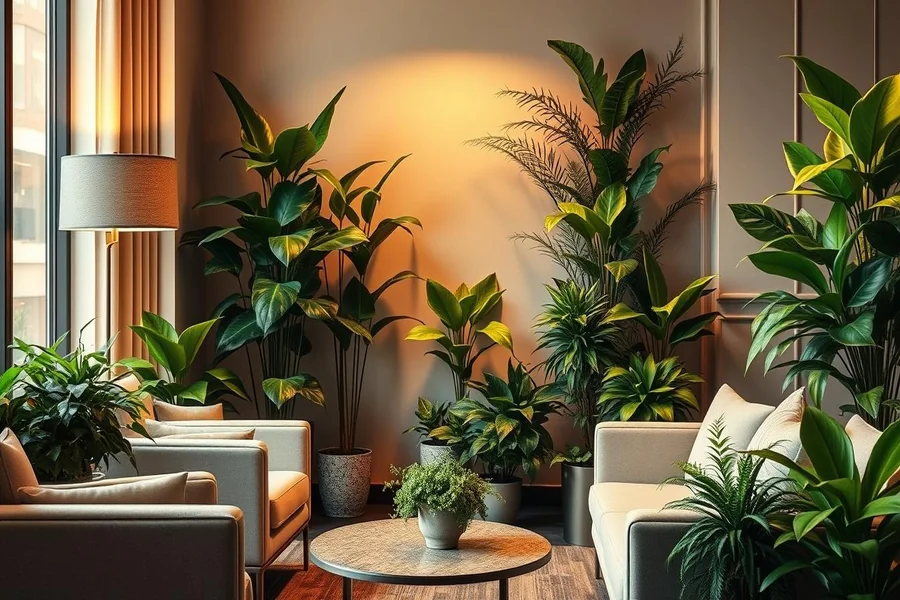
Rethinking Greenery In Modern Interiors
Incorporating greenery into homes and offices is widely associated with enhancing well-being, comfort, and visual appeal. While live plants have traditionally served as the go-to choice for indoor landscaping, they are not always suitable for every environment. In locations where access to natural light is limited, schedules are unpredictable, or resources for maintenance are scarce, living plants often struggle to thrive. Modern faux plants have gained considerable attention for their striking realism and durability, offering a practical alternative for those seeking to enjoy the benefits of greenery without the challenges inherent to live specimens. This shift invites a fresh perspective on how best to approach sustainable decor in both private and shared spaces.
Resource Use, Water Consumption, And Waste Reduction
One of the primary environmental advantages of faux plants is their significant reduction in resource consumption. Live plants require frequent watering, especially when kept indoors where heating and cooling elements can accelerate drying. For households and businesses in regions where water scarcity is a concern, minimizing the use of potable water for decorative purposes becomes increasingly important. Faux plants, however, require no water, leading to immediate conservation benefits. Additionally, live greenery is often replaced when it succumbs to environmental stress, pest infestations, or unsuitable care. This cycle generates organic waste and adds to the environmental impact through increased production and transportation of replacements. Opting for faux plants can limit this revolving door effect, reducing the volume of plant waste and the carbon footprint associated with constant procurement and disposal.
Durability, Life Cycle, And Material Choice
A critical factor in assessing the sustainability of faux plants is their longevity. While a struggling live plant in a poorly suited spot may need to be replaced several times within a year, a high-quality faux plant can endure for years with minimal maintenance or decline in appearance. This extended lifespan helps offset the environmental costs tied to their initial manufacturing. Modern faux plants are also created using a variety of materials, some of which are selected for low volatile organic compound (VOC) emissions and durability, further supporting a lower-impact life cycle. Buyers who prioritize well-made products may find that thoughtful selection leads to fewer discarded items overall. Suppliers that emphasize craftsmanship and responsible sourcing help make faux greenery a smart and lasting addition to both residential and commercial settings.
Indoor Air Quality, Maintenance, And Comfort
For many, indoor air quality is a significant concern, especially in closed environments like offices and apartment buildings. While certain live plant species can help improve air quality under the right conditions, their care often involves soil, water trays, and organic debris that can inadvertently introduce mold, mildew, or allergens. Faux plants alleviate this concern by eliminating the need for soil or watering, offering a cleaner alternative that supports consistent indoor hygiene. Maintenance routines are also simplified, as dusting or occasional gentle cleaning is all that is required, eliminating the need for chemical pesticides or fertilizers. For shared workspaces or busy homes, this ease of care decreases the chance of maintenance errors and supports a healthier atmosphere for all occupants.
Design Flexibility And Reducing Material Waste
The flexibility provided by faux plants extends to the realm of design and interior planning. Living greenery can sometimes require substantial changes to a space, such as plumbing for irrigation or structural modifications for light access, which can generate construction waste with each renovation. Faux plants, by contrast, are lightweight, portable, and easily rearranged, making it possible to refresh interiors or adapt decor as needs and tastes evolve, all without major overhauls or generating new building scrap. This adaptability is particularly valuable for businesses and organizations that periodically update their branding or layout, enabling a refreshed look while reducing resource waste and prolonging the life of existing furnishings. Those interested in exploring a wide range of high-quality faux greenery can find options tailored to both home and office environments at https://fauxnatural.com/.
