
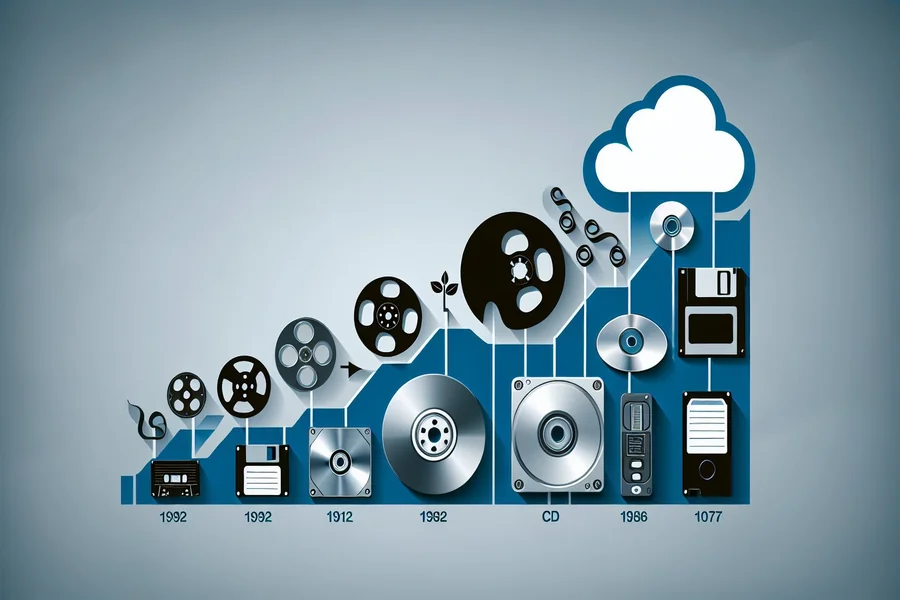
The rapid pace of technological advancement has brought about significant change in data storage and management. In particular, the shift from traditional tape-based systems to cloud storage represents a critical step in data modernization. This move, commonly referred to as tape to cloud migration, is revolutionising the way organisations maintain, access, and secure their valuable data. As more businesses recognise the necessity for agility and scalability, tape to cloud migration emerges as an essential strategic initiative.
Understanding Tape to Cloud Migration
Traditionally, magnetic tape has been utilised for long-term data storage due to its reliability and cost-effectiveness. However, with the advent of cloud solutions, companies are now transitioning their legacy tape systems to the cloud. This process involves transferring data from physical tapes to a cloud-based platform, thereby enhancing data accessibility and simplifying management.
Tape to cloud migration enables organisations to leverage advanced storage architectures, improve disaster recovery capabilities, and facilitate remote workforces. It reflects a broader trend towards digital transformation, where cloud computing plays a central role in enabling businesses to adapt and thrive in a data-driven world.
The Benefits of Migrating from Tape to Cloud
The migration from tape to cloud storage offers a myriad of benefits. Most notably, the cloud provides on-demand data access, which is crucial for time-sensitive decision-making processes. Moreover, the cloud’s scalable nature means that companies only pay for the storage they need, with the ability to expand as requirements grow.
Additionally, cloud storage provides improved data protection mechanisms, such as advanced encryption and regular backups, minimising the risk of data loss or breaches. It also eliminates the physical vulnerabilities associated with tape storage, such as degradation over time or damage due to environmental conditions.
Another key advantage is the reduction of onsite physical storage needs, freeing up valuable space and reducing the associated costs of maintaining and handling tape infrastructure. Migrating to the cloud also demonstrates a commitment to sustainability, as it reduces the carbon footprint related to physical storage solutions.
The Technical Aspects of Migration
Embarking on a tape to cloud migration involves meticulous planning and execution. This process generally begins with an assessment of the existing tape infrastructure to determine the quantity and nature of the data to be migrated. Following this, an appropriate cloud service provider is selected based on the organisation’s specific requirements, such as storage capacity, compliance standards, and budget.
Data from tapes is then extracted and converted into suitable formats for cloud storage. This can be a complex process, often requiring specialised tools and expertise to ensure data integrity and minimise downtime.
For organisations with substantial amounts of data, the migration process may be phased over time to mitigate risk and manage resource allocation effectively. Throughout the migration, rigorous testing is conducted to ensure that data remains intact and fully operational within the new cloud environment.
Challenges and Best Practices in Migration
While the benefits are clear, tape to cloud migration can pose challenges. These include ensuring data security during the transfer, managing potential compatibility issues with existing systems, and addressing regulatory compliance concerns.
Best practices for successful migration include a thorough audit of data and a comprehensive migration strategy that accounts for potential challenges. It is also advisable for organisations to engage with experienced service providers who specialise in data migration. Vendors with a proven track record can offer invaluable guidance and support, making the transition smoother and more secure.
Regular communication with stakeholders is essential to manage expectations and report on the progress of the migration. Adequate training for staff is also crucial to ensure they are equipped to utilise the new cloud-based system effectively.
The Future of Data Management
Tape to cloud migration is more than just a technical shift; it signals a transformation in data management philosophy. The future of data storage leans heavily towards cloud solutions, as they facilitate the implementation of advanced analytics, artificial intelligence, and machine learning technologies.
Cloud platforms enable real-time data analysis and collaboration, empowering organisations to unlock the full potential of their data. In such an environment, the agility provided by cloud storage becomes a competitive advantage, allowing companies to respond rapidly to market changes and innovate more effectively.
Conclusion
The journey from legacy tape systems to dynamic cloud environments marks a critical milestone in an organisation’s digital evolution. Tape to cloud migration offers a plethora of benefits, from enhanced accessibility and security to cost-efficiency and sustainability. Despite the complexities involved in the migration process, the long-term gains in operational agility and strategic data usage are invaluable.
For businesses contemplating this transition, working with established specialists like Tape Ark can provide the expertise and support needed to navigate the intricacies of tape to cloud migration. As data storage solutions continue to evolve, embracing the cloud is not merely an option—it’s becoming an imperative for future-proofing and driving growth in today’s digital landscape.
Embrace the Revolution in Data Storage
In an era where data is paramount, a proactive approach to data modernization is indispensable. Tape to cloud migration is a significant step towards revolutionising data storage solutions. It represents not only a technological upgrade but also a strategic investment in the future of business operations and data utilisation. As organisations seek to remain competitive and agile, embracing the cloud is an unequivocal stride towards achieving those goals.
