
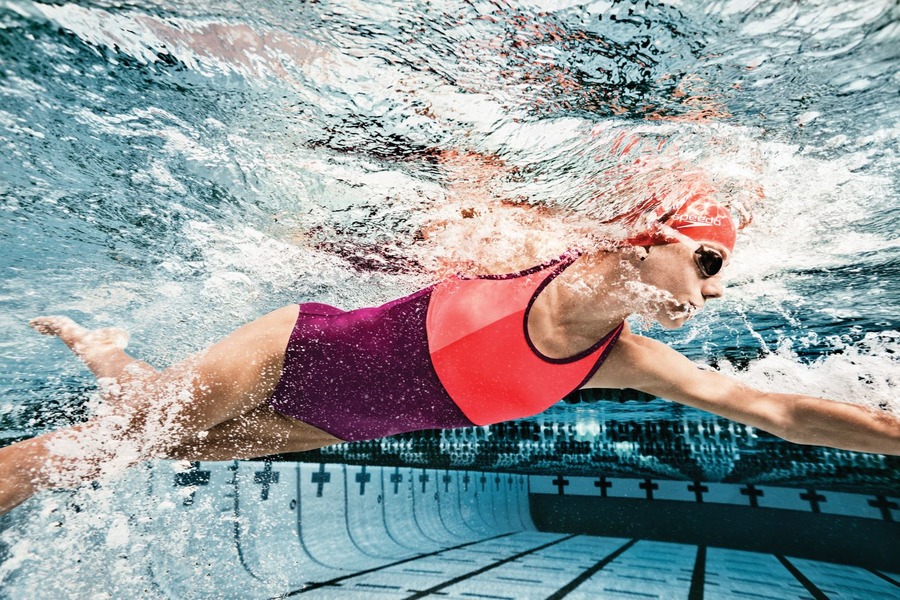
Swimming costumes are more than just poolwear. They shape your comfort, movement, and confidence in the water. Whether you swim for fitness, fun, or competition, the right swimming costumes make a real difference. A good fit supports your body. The right fabric helps you move freely. The proper design keeps you focused on your strokes instead of adjusting straps or waistbands.
Many people buy swimwear based on looks alone. That often leads to regret. A better approach is to understand your purpose first. Are you swimming laps daily. Are you going on a beach trip. Do you need something for your child’s swimming class. Each purpose requires a different type of swimming costume.
Let’s break it down in a simple way.
Types of Swimming Costumes
There are many options available today. Each type serves a different need.
1. One-Piece Swimsuits
This is a common choice for women and girls. It offers full coverage. It stays in place during active swimming. It is ideal for training and school swim programs. Many professional swimmers prefer this style because it reduces drag and gives strong support.
2. Two-Piece Swimsuits
Two-piece options include bikinis and tankinis. They are popular for beach outings and casual swimming. They allow more freedom in style. However, they may not always be suitable for competitive swimming.
3. Swim Trunks
Swim trunks are widely used by men and boys. They are comfortable and easy to wear. They work well for beach trips and pool days. Some designs are loose. Others are more fitted.
4. Jammers
Jammers are tight fitting swim shorts that reach the knee. Many male swimmers use them for training and competitions. They reduce water resistance and help with performance.
5. Rash Guards
Rash guards are fitted tops worn with swim bottoms. They protect the skin from sun and irritation. They are popular among surfers and outdoor swimmers.
Choosing the right type depends on your goal. Always think about function first.
Swimming Costumes for Different Age Groups
For Women
Women need proper support. Look for strong straps and secure stitching. If you swim often, go for chlorine resistant fabric. If you need extra support, choose styles with built in cups or shelf bras.
For Men
Men should focus on fit and comfort. Swim trunks are fine for casual use. For regular lap swimming, jammers or briefs offer better movement.
For Kids
Kids move a lot in water. Their swimming costumes should fit well but not feel tight. Adjustable straps help. Bright colors also improve visibility in pools.
How to Choose the Right Swimming Costume
Choosing the right one does not need to be complicated. Follow these simple steps.
1. Know Your Purpose
Are you swimming for exercise. Are you on vacation. Are you training for a race. Your purpose decides the style.
2. Check the Fabric
Common fabrics include polyester, nylon, and spandex.
- Polyester lasts longer in chlorine water.
- Nylon feels soft and light.
- Spandex adds stretch and flexibility.
If you swim often in a pool, polyester blends are a smart choice.
3. Focus on Fit
A swimming costume should feel snug. It should not pinch your skin. It should not sag when wet. Try bending and stretching while testing it. Move your arms and legs. If it shifts too much, try another size.
4. Consider Comfort
Comfort matters more than trends. Scratchy seams can ruin your session. Loose straps can distract you. Always check stitching and lining.
Why Fabric Matters
Fabric plays a big role in performance and durability. Pool water contains chlorine. Chlorine can damage weak fabrics over time. Low quality swimwear fades and stretches quickly.
Look for chlorine resistant material. It keeps its shape longer. It holds color better. It saves money in the long run.
Quick drying fabric is also helpful. It prevents discomfort after swimming. No one enjoys sitting in wet clothes for long.
Swimming Costumes for Fitness and Training
If you swim for exercise, your needs are different from someone relaxing at the beach.
For training, choose simple designs. Avoid heavy decorations. Extra fabric can slow you down. Go for tight fitting options that reduce drag. Strong straps and secure waistbands are essential.
Competitive swimmers often use performance swimwear. These suits are designed to compress muscles slightly. They improve body position in water. However, they may feel tighter than casual options.
If you swim three to four times a week, invest in quality. Cheap suits wear out quickly under regular use.
Caring for Your Swimming Costumes
Good care extends the life of your swimwear.
- Rinse immediately after swimming.
- Use cold water.
- Avoid strong detergents.
- Do not twist the fabric.
- Air dry in shade.
Never use a dryer. Heat damages elasticity. Also avoid leaving your swimming costume in a plastic bag for hours. That weakens fabric fibers.
Simple habits protect your investment.
Common Mistakes People Make
Many buyers repeat the same mistakes.
- Choosing style over comfort
- Ignoring fabric quality
- Buying the wrong size
- Not checking return policy
- Skipping care instructions
Avoid these errors. Take your time while shopping. Read labels carefully.
Trends in Swimming Costumes
Trends change every year. Some people prefer minimal designs. Others like bold patterns. High waisted bottoms are popular again. Athletic cuts are gaining attention.
However, trends should not control your decision. Your comfort and purpose should guide you first.
Neutral colors remain a safe choice. They look clean and simple. They also stay in fashion longer.
Sustainable Swimming Costumes
Sustainability is becoming important. Some brands now use recycled materials. These fabrics are made from plastic waste. They reduce environmental impact.
If you care about sustainability, check the product label. Look for recycled polyester or eco friendly production claims.
While these options may cost more, they support better practices.
Budget vs Quality
Price matters. But quality matters more in the long term.
Low cost swimming costumes may look fine at first. After a few uses, they lose shape. Elastic becomes loose. Color fades.
Mid range options often provide better durability. If you swim often, spending a bit more saves money later.
Always balance cost with frequency of use.
Final Thoughts
Swimming costumes are essential for anyone who spends time in water. The right choice improves comfort and performance. The wrong one causes distraction and frustration.
Start by defining your purpose. Choose the right type. Focus on fabric quality. Check the fit carefully. Take care of your swimwear after every use.
Swimming should feel free and enjoyable. A well chosen swimming costume supports that goal. It helps you move with ease. It allows you to focus on your strokes. It keeps you confident whether you are in a pool, lake, or ocean.
