
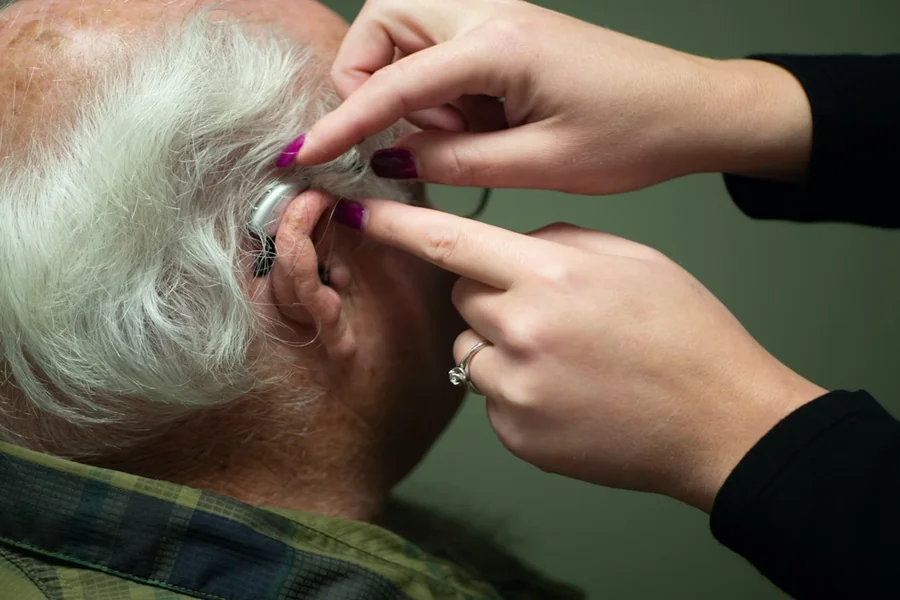
Severe hearing loss is a significant auditory impairment in which individuals struggle to perceive sounds even with amplification devices such as hearing aids. This condition presents considerable challenges in understanding speech, limiting communication, social engagement, and participation in everyday activities. Many affected individuals rely on alternative communication methods, including sign language and assistive technologies, to navigate daily life. Early detection and intervention play a critical role in improving quality of life and fostering meaningful connections despite the limitations imposed by severe hearing loss.
Understanding Hearing Loss
Hearing is a complex physiological process. Sound waves enter the ear canal, causing the eardrum to vibrate. These vibrations are transmitted through the tiny bones of the middle ear to the cochlea in the inner ear, where specialized hair cells convert the mechanical energy into electrical signals. These impulses travel via the auditory nerve to the brain, where they are interpreted as recognizable sounds.
Hearing loss varies in severity, ranging from mild difficulty in perceiving quiet sounds to profound impairment where even loud sounds are barely audible. Severe hearing loss often results from aging, prolonged exposure to loud noise, genetic factors, or medical conditions affecting the auditory system. Managing severe hearing loss typically requires interventions such as hearing aids or hearing implants to restore functional hearing, enhance communication, and improve overall quality of life.
Impact on Daily Life
Severe hearing loss affects multiple aspects of life. Communication becomes a constant challenge, and social interactions may feel frustrating or exhausting. As a result, affected individuals can experience social withdrawal, isolation, and emotional distress, including anxiety and depression. Professional and educational opportunities may also be limited due to difficulty in participating fully in conversations or collaborative activities. Addressing these barriers through supportive strategies and appropriate technologies is essential to help individuals regain confidence, maintain social connections, and pursue personal and professional goals.
Overview of Hearing Implants
Hearing implants are advanced medical devices designed for individuals with severe or profound hearing loss who do not achieve sufficient benefit from traditional hearing aids. Unlike hearing aids, which amplify sounds, implants bypass damaged areas of the auditory system and provide direct stimulation to the auditory nerve, enabling more effective sound perception.
There are several types of hearing implants tailored to specific needs. Cochlear implants bypass damaged inner ear structures, directly stimulating the auditory nerve for those with profound hearing loss. Bone-anchored hearing systems transmit sound vibrations through the skull to the inner ear, ideal for individuals with conductive hearing loss or single-sided deafness. Middle ear implants amplify sounds within the middle ear to enhance clarity for those who cannot tolerate conventional hearing aids. Each type offers a unique approach, allowing patients to regain meaningful auditory experiences according to their individual condition.
Hearing implants provide substantial benefits across age groups. For children, they support auditory development and language acquisition during critical early stages, laying the foundation for effective communication and educational growth. Adults experiencing age-related hearing decline, sudden deafness, or progressive hearing loss can also gain significant improvements in communication, social engagement, and overall quality of life.
The Evaluation and Implant Process
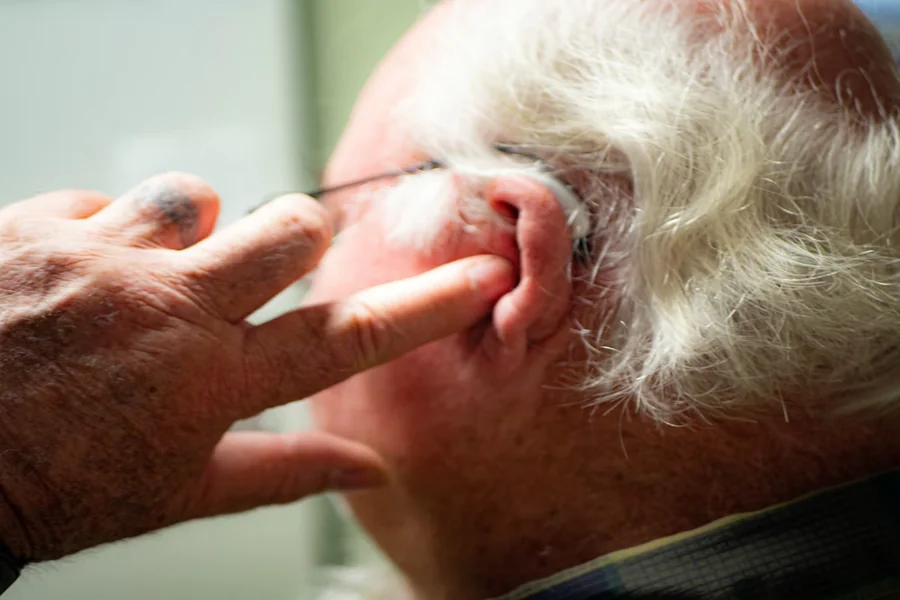
The process of obtaining a hearing implant begins with a thorough professional evaluation. Qualified audiologists and ENT specialists conduct comprehensive assessments, including detailed interviews, hearing tests, and observational evaluations. These examinations aim to identify the nature and extent of hearing loss, determine candidacy for an implant, and guide personalised recommendations for treatment.
Once candidacy is confirmed, surgical implantation follows. Cochlear and bone-anchored implants require precise procedures conducted by experienced surgeons. Cochlear implant surgery involves creating an opening in the cochlea to place the electrode array, while bone-anchored systems require insertion of a titanium post into the skull bone. Middle ear implants are positioned within the middle ear structures to improve sound transmission. Post-surgical recovery includes healing time, device activation, and gradual auditory rehabilitation to train the brain to interpret the new auditory signals effectively.
Post-Implant Support and Rehabilitation
Hearing implants are not a one-time solution; ongoing support and rehabilitation are critical. Audiologists provide programming and tuning of the device to optimise hearing performance. Speech and auditory therapy help patients adapt to the new sensory input, enhancing speech comprehension and listening skills. Continuous follow-up ensures that the implant functions effectively and any challenges are addressed promptly.
By combining advanced technology with structured support, hearing implants can transform the lives of individuals with severe hearing loss. They offer opportunities to reconnect with the surrounding environment, participate more fully in social and professional activities, and experience improved well-being.
Conclusion
Severe hearing loss presents profound challenges to communication, social interaction, and daily life. However, modern interventions, including hearing implants, provide meaningful solutions that extend beyond amplification. Through early detection, professional evaluation, and the use of advanced auditory devices, individuals with severe hearing loss can achieve enhanced hearing, maintain social connections, and improve overall quality of life. Ongoing rehabilitation and support are essential to ensure these benefits are maximized, enabling a more inclusive and connected experience for those affected by auditory impairments.
