
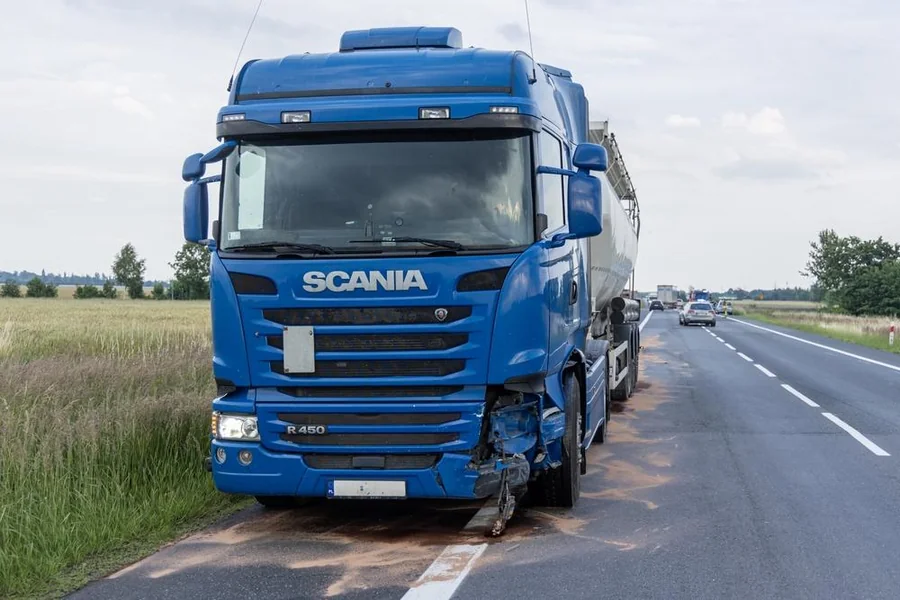
A few seconds of road footage can completely change how a truck accident is viewed. Commercial trucks travel long distances every day, and accidents involving these vehicles often leave behind confusion, damage, and conflicting stories. Dashcams have quietly become one of the most discussed pieces of evidence during truck accident investigations because they record events exactly as they happen. In many cases, video footage captures details that people may miss during stressful situations.
Insurance companies, investigators, and legal teams now pay close attention to these recordings while reviewing claims. Many people seeking representation for truck accident victims also ask how dashcam evidence may influence settlement discussions and liability reviews later.
What Makes Dashcam Footage So Important in Truck Accident Claims
Captures events in real time
Dashcam footage records traffic movement, driver actions, braking patterns, and road conditions in real time. Unlike witness statements that depend on memory, video recordings show what happened second by second. This often helps investigators review important details with greater clarity during a truck accident investigation.
Large commercial truck accidents happen fast, especially on busy highways where several vehicles may be involved. A dashcam may capture lane changes, sudden stops, weather conditions, or distracted driving that would otherwise remain unclear after the crash. These details help investigators create a more accurate picture of the accident.
Reduces confusion from conflicting statements
Truck accident investigations often involve multiple witnesses, drivers, and insurance companies. Different people may remember the same event in different ways, especially after a stressful collision. Dashcam footage helps reduce confusion because it provides a direct visual record of the situation.
Investigators usually compare video footage with witness statements and police reports to check for consistency. In some situations, a short recording may support one version of events while challenging another. This does not always settle every disagreement, but it often changes the direction of discussions during claim reviews.
Supports accident reconstruction
Accident reconstruction teams sometimes use dashcam footage to better understand how a collision happened. The footage may help show vehicle positioning, traffic flow, reaction times, and road movement before impact. Combined with scene evidence and vehicle damage reports, dashcam recordings can become an important part of the investigation process.
Important details often reviewed through dashcam evidence include:
- Vehicle speed and movement before impact
- Lane positioning during traffic changes
- Weather and road visibility conditions
- Driver reactions during emergency situations
How Dashcam Footage Can Affect Liability Discussions
May support one side’s version of events
Dashcam footage sometimes confirms what one driver or witness reported after the accident. It may show whether a truck drifted into another lane, failed to slow down, or reacted too late during traffic conditions. These details may influence how insurance companies review fault during settlement discussions.
Insurance teams often examine video evidence carefully because visual records may reveal actions that written reports do not fully explain. A recording showing clear traffic violations or unsafe driving may strongly affect liability reviews connected to the claim.
Can reveal unsafe driving behavior
Commercial truck investigations often focus on driver behavior before the crash. Dashcam footage may show distracted driving, sudden lane movement, aggressive driving, or unsafe following distance. These visual details help investigators review whether driving actions contributed to the collision.
Truck accidents involve larger vehicles, heavier cargo, and greater stopping distances than regular car crashes. Because of this, even small driving mistakes may create serious consequences on highways. Dashcam recordings sometimes help explain why a crash became more severe than expected during investigation reviews.
Sometimes changes the settlement direction
Video evidence may influence how quickly insurance companies move during settlement discussions. Strong dashcam footage sometimes reduces uncertainty because it creates a clearer understanding of what happened. This can shift negotiations and affect how claims are reviewed.
People looking for representation for truck accident victims often ask whether dashcam evidence may strengthen discussions connected to commercial trucking claims. Insurance companies, trucking businesses, and investigators may all review the same footage while evaluating accident responsibility and claim value.
Challenges That Come With Dashcam Evidence
Missing or incomplete footage
Not every truck accident includes perfect video evidence. Some cameras stop recording, lose footage, or fail to capture the most important angle during the crash. Technical problems or damaged equipment may also create missing sections in the recording. These gaps sometimes leave important questions unanswered during claim investigations.
Video quality and interpretation issues
Poor lighting, weather conditions, or blurry footage may affect how investigators interpret dashcam recordings. Different parties reviewing the same video may also disagree about what the footage actually shows. This is why dashcam evidence is usually reviewed together with police reports, witness accounts, and scene investigations.
Access and evidence preservation concerns
Truck accident investigations often move quickly after a crash, especially involving commercial vehicles. Dashcam footage may be overwritten or lost if it is not preserved early. Investigators and insurance teams sometimes work fast to secure recordings before important evidence disappears. This makes dashcam footage one of the most time sensitive forms of evidence during commercial truck accident investigations today.
Conclusion
Dashcam footage has changed the way truck accident claims are reviewed today. A single recording can help investigators understand traffic movement, driver behavior, road conditions, and the sequence of events leading up to a crash. In commercial trucking cases, these details often become important because several parties may be involved in the investigation and settlement process.
While video footage may not answer every question by itself, it can strongly influence liability discussions and accident reconstruction reviews. Alongside witness statements and official reports, dashcam evidence now plays a major role in how trucking accident claims are evaluated and negotiated after serious highway collisions.
