
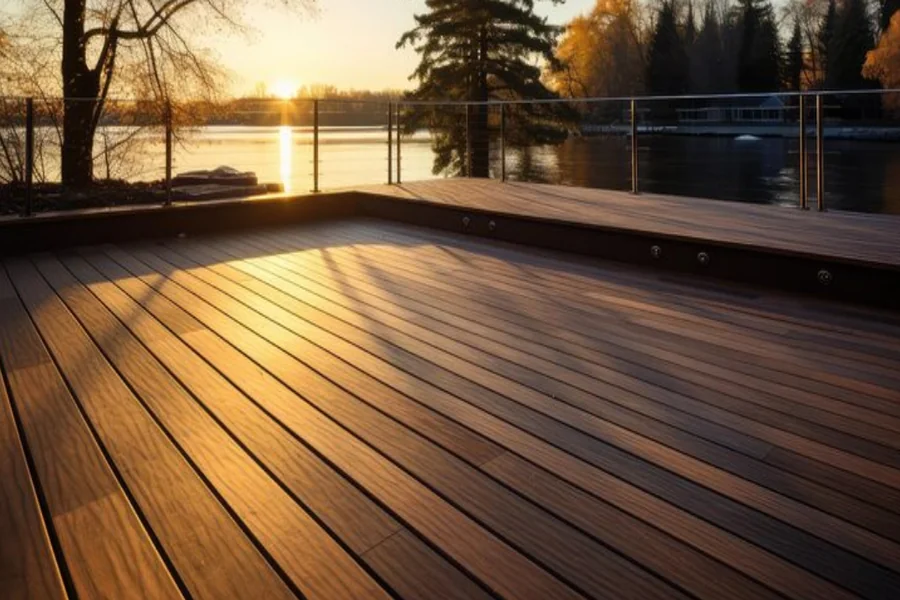
Outdoor living spaces play a vital role in modern homes, providing areas for relaxation, entertainment, and social interaction. Selecting the right materials for these spaces is essential to ensure durability, aesthetic appeal, and minimal maintenance. Among the most popular options today is WPC decking, or Wood-Plastic Composite decking, which combines the natural beauty of wood with the resilience and low upkeep of plastic. This article explores the properties, benefits, and uses of premium WPC decking, offering guidance for homeowners seeking long-lasting and sustainable outdoor solutions.
Background on Decking Materials
History and Evolution
Decking materials have evolved significantly over the years. Traditional timber, such as cedar and redwood, was prized for its appearance and strength but required regular maintenance to prevent decay and insect damage. Over time, synthetic and composite alternatives emerged, offering durability, low maintenance, and resistance to environmental factors. Wood-Plastic Composite (WPC) decking represents a modern solution, blending wood fibres with recycled plastics to produce a sustainable, long-lasting material.
Properties of WPC Decking
WPC decking combines wood fibres and thermoplastic polymers to create boards that resemble natural timber while offering enhanced durability. These materials resist moisture, rot, and insect damage, making them ideal for tropical climates and areas exposed to frequent rainfall. WPC decking is also available in a range of finishes and textures, allowing homeowners to achieve the desired aesthetic without the challenges of maintaining traditional wood.
Highlights of Premium WPC Decking
Definition and Key Features
Premium WPC decking refers to high-quality composite boards designed for outdoor applications. These products offer a balance of strength, aesthetics, and sustainability, ensuring long-lasting performance with minimal maintenance. They are resistant to fading, splintering, and warping while providing a natural wood-like appearance.
Benefits Over Traditional Materials
Compared with timber or metal, WPC decking offers several advantages. Its resistance to moisture and pests reduces the risk of structural damage, while its low maintenance requirements save time and effort. The use of recycled materials also makes WPC decking an environmentally responsible choice, contributing to sustainability goals without compromising on style or functionality.

Durability and Longevity of WPC Decking
Long-Lasting Performance
Premium WPC decking is engineered for durability. Its composite structure ensures stability under changing weather conditions, making it ideal for outdoor areas in tropical or coastal environments. High-quality boards can withstand years of exposure without significant deterioration, offering homeowners peace of mind.
Comparative Lifespan
When compared to traditional timber, WPC decking typically lasts longer while requiring less care. While natural wood may need regular sealing, staining, and replacement of damaged sections, WPC decks maintain their appearance with routine cleaning and occasional maintenance. This longer lifespan makes WPC decking a cost-effective investment over time.
Maintenance Requirements
Although WPC decking is low-maintenance, periodic care enhances longevity. Cleaning the boards with water and mild detergent removes debris, while occasional inspections can prevent minor issues from developing. Some products may benefit from applying a protective sealant to further preserve colour and texture, particularly in areas exposed to intense sunlight or heavy rainfall.
WPC Decking as an Eco-Friendly Option
Sustainability Benefits
WPC decking is an environmentally responsible choice. Many products incorporate recycled wood fibres and plastics, reducing deforestation and diverting waste from landfills. Its long lifespan and minimal maintenance requirements further contribute to sustainability, as fewer replacements and treatments are needed over time.
Manufacturing Considerations
The production of WPC decking involves blending wood fibres with recycled plastics and shaping them into durable boards. While energy is required for the manufacturing process, the use of recycled materials and the avoidance of excessive timber harvesting help mitigate environmental impact. Homeowners seeking eco-conscious options can select premium WPC decking with certifications or sustainable sourcing claims.
Enhancing Outdoor Living Spaces with WPC Decking
Aesthetic and Functional Benefits
WPC decking enhances outdoor spaces by providing a visually appealing and functional surface for patios, gardens, pool areas, and balconies. Its natural wood appearance blends seamlessly with landscaping, while its durability ensures the deck remains safe and attractive over time.
Versatility in Design
From modern minimalistic decks to traditional wood-look designs, WPC boards can be arranged and finished in various ways to complement different architectural styles. This versatility allows homeowners to create outdoor environments that reflect personal taste while meeting practical needs for weather resistance and durability.
Conclusion
Premium WPC decking represents a versatile, durable, and eco-friendly solution for outdoor living spaces. Its combination of wood-like aesthetics and plastic durability ensures longevity, low maintenance, and resistance to environmental factors. By choosing WPC decking, homeowners can elevate patios, gardens, and pool decks while contributing to sustainable building practices. With careful selection, professional installation, and routine care, WPC decking offers long-lasting beauty and functionality, making it an excellent investment for any outdoor area.
WPC Decking FAQs
What is WPC decking?
WPC decking is a composite material made from wood fibres and plastic. It offers durability, low maintenance, and resistance to rot and pests while mimicking the appearance of natural wood.
What are the disadvantages of WPC decking?
Potential drawbacks include susceptibility to fading over time, higher initial costs compared to some timber options, and specific cleaning requirements to prevent mould or mildew. Some surfaces may be slippery when wet.
Is WPC decking any good?
Yes, WPC decking provides a durable, low-maintenance, and eco-friendly alternative to traditional wood. It is resistant to environmental damage and retains a natural wood-like appearance, though quality can vary among brands.
What is the life expectancy of a WPC deck?
With proper care, a WPC deck typically lasts between 15 and 25 years, depending on climate, usage, and maintenance practices.
