
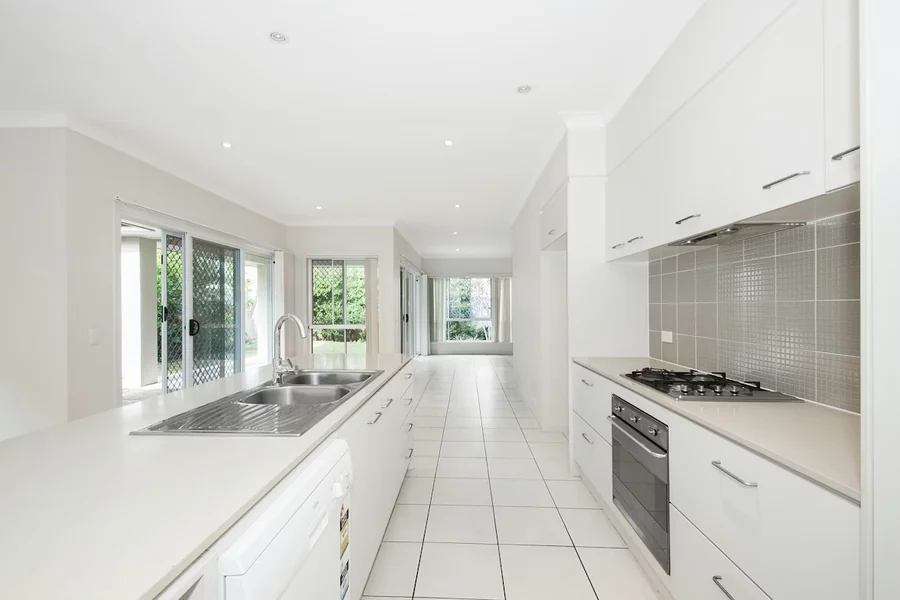
Modern architecture emerged in the early twentieth century as designers began to shift away from ornate styles and toward simplicity, efficiency, and practical use of new materials. This movement focused on clean lines, open spaces, and functional layouts that supported changing lifestyles. Glass, steel, and concrete became defining materials, allowing architects to build structures that were both visually appealing and well-suited to contemporary residential and commercial needs.
Forte Reno stainless steel strips have become particularly valuable within this design approach. Their strength, durability, and ability to resist corrosion make them suitable for both structural and decorative uses. Their clean, streamlined appearance aligns naturally with modern architecture, while their long lifespan supports sustainable building practices. As a result, stainless steel strips appear in facades, railings, interior accents, and other architectural features that require a balance of performance and style.
The Evolution of Modern Architecture
The development of modern architecture was shaped by designers seeking more efficient and purposeful ways to build. Movements such as the Bauhaus and International Style challenged traditional concepts of symmetry and ornamentation, encouraging a focus on clarity, function, and open interiors. Architects emphasized innovation, simplicity, and harmony between structures and their surroundings. Their work introduced new ideas that reshaped urban landscapes and set the foundation for many of today’s architectural standards.
As architectural philosophies evolved, stainless steel technology advanced at the same time. Stainless steel strips became widely used across different industries because of their durability and versatility. Their resistance to corrosion and ability to maintain strength in diverse environments made them ideal for construction, manufacturing, transportation, and other sectors. These qualities made them a natural fit for modern design, which prioritizes long-lasting materials that require minimal upkeep.
Why Designers Choose Stainless Steel Strips
Stainless steel offers practical and aesthetic benefits that appeal to architects and designers. Its corrosion resistance helps maintain appearance and structural integrity over long periods, even when exposed to harsh weather or moisture. Its strength supports more ambitious design forms without compromising safety. At the same time, its smooth, polished appearance fits seamlessly into modern, minimalist styles.
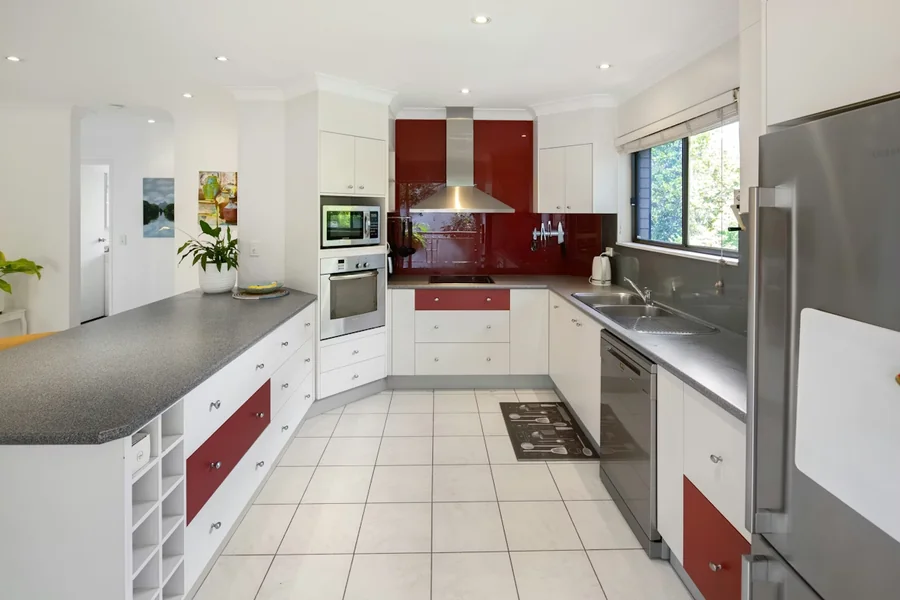
Cleaning and maintaining stainless steel is straightforward, providing an advantage in both residential and commercial settings. Its hygienic properties make it suitable for environments that require high cleanliness standards, such as kitchens, hospitals, and laboratories.
Several types of stainless steel strips support different needs
Austenitic steel offers high corrosion resistance and is easily formed, making it suitable for decorative elements and components with complex shapes.
Ferritic steel provides moderate strength and is often more economical, making it useful for interior or low-stress applications.
Martensitic steel delivers superior hardness and wear resistance, supporting areas with frequent contact or friction.
Duplex steel balances the benefits of austenitic and ferritic options, functioning well in demanding industrial environments.
Environmental benefits further strengthen the case for stainless steel. It is non-toxic, fully recyclable, and capable of being repurposed repeatedly without any loss of quality. Its long lifespan reduces waste and contributes to responsible material use, supporting modern sustainability goals.
Architectural Components That Use Stainless Steel Strips
Facades and Exterior Features
Stainless steel strips are frequently used in building facades due to their durability and visual appeal. They offer protection against weather while helping manage light, ventilation, and energy efficiency. Their finishes, textures, and patterns contribute to a building’s identity and improve overall environmental performance.
Interior Fixtures and Decorative Accents
Inside buildings, stainless steel strips appear in lighting fixtures, furniture details, wall trims, and other decorative components. These elements help shape the character of a space while contributing to functionality. Their clean surfaces, reflective qualities, and compatibility with materials such as wood, glass, and stone allow them to enhance a wide range of interior styles.
Roofing and Flooring Applications
Certain roofing and flooring systems incorporate stainless steel components to improve durability and resistance to wear. In these applications, stainless steel helps maintain structural reliability, especially in spaces exposed to moisture, chemicals, or heavy foot traffic. Proper selection and installation help ensure long-term performance.
Structural Beams, Columns, and Supports
In addition to decorative uses, stainless steel strips support structural components in some settings. Their strength and ability to withstand pressure make them valuable in beams, columns, and reinforcements. These structural roles contribute to overall stability, particularly in buildings that require long-lasting and resilient frameworks.
Design Techniques for Stainless Steel Strips
Combining stainless steel with other materials requires an understanding of how each component behaves. When paired wisely with wood, glass, concrete, or composites, stainless steel can increase structural strength, balance design elements, and create cohesive visual results. Careful consideration of compatibility helps ensure dependable long-term performance.
Reflective design is another area where stainless steel is valuable. Its reflective surface can brighten interiors by enhancing natural light, reduce energy use in certain settings, and create striking visual effects on building exteriors. Designers and artists frequently use these reflective characteristics to produce dynamic, interactive surfaces that respond to their surroundings.
Maintenance and Long-Term Durability
Stainless steel requires relatively little maintenance. Basic cleaning with mild soap and water removes dirt, while non-abrasive materials help prevent scratches. Specialist cleaners can address fingerprints or stubborn marks. Consistent care helps preserve the finish and supports its long lifespan.
Its durability is one of its strongest advantages. Stainless steel resists rust, corrosion, and environmental wear, making it reliable in both indoor and outdoor applications. While initial costs may be higher than some alternatives, its longevity and minimal upkeep often lead to long-term savings, offering excellent value over time.
