
Entrepreneurs and resellers have many options for finding discounted merchandise in the liquidation retail world. Two of the most popular methods are Amazon bin stores and liquidation warehouses. Both offer high-quality products at low prices, but each uses a very different business model.
If your goal is to build a profitable reselling business, understanding the advantages and trade-offs of each sourcing method is essential. Let’s break down the differences, analyze real-world profit potential, and determine which approach offers the best margins for your business.
What Are Amazon Bin Stores?
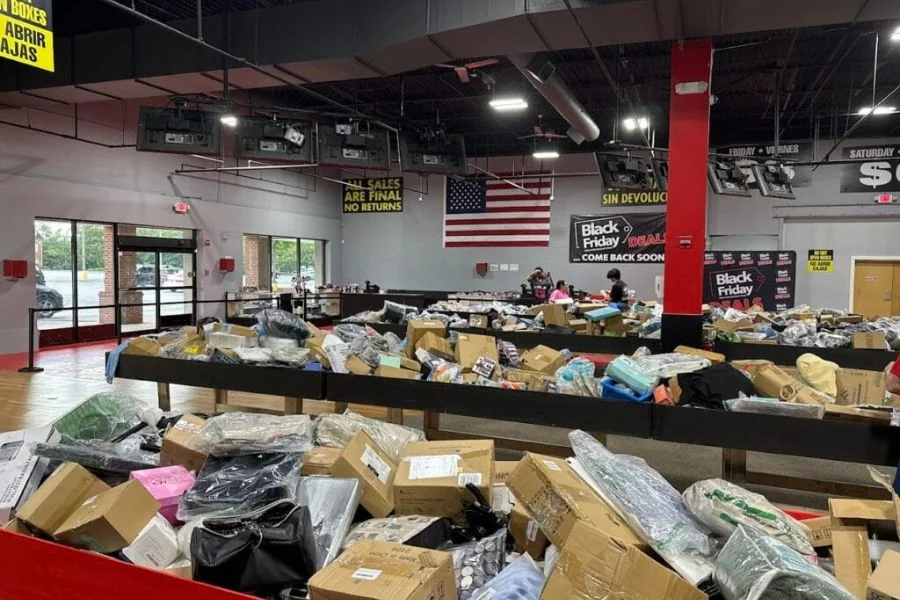
Amazon bin stores are retail outlets that buy truckloads of returned or overstocked Amazon merchandise and sell it to the public in large bins. Instead of pricing each item individually, the stores use a flat, descending price system.
For example, new inventory might arrive every Friday at $10 per item. Each day after that, the price drops: $8 on Saturday, $6 on Sunday, and eventually down to $1 or $2 by midweek. This simple model keeps inventory moving quickly and brings in steady customer traffic.
For shoppers and resellers, binstores feel like treasure hunts. They are often chaotic, fun, and full of hidden gems. You never know what you’ll find: electronics, tools, home décor, clothing, or even high-value gadgets in damaged boxes.
What Are Liquidation Warehouses?
Liquidation warehouses take a more wholesale approach. These facilities buy truckloads or pallets of returned, unsold, or discontinued products from major retailers and sell them in bulk to resellers, flea market vendors, and small business owners.
Unlike bin stores, liquidation warehouses don’t unpack or display their inventory. Buyers purchase full pallets (sometimes sight unseen) containing hundreds or thousands of mixed items. Prices are typically based on pallet manifests or weight rather than individual item pricing.
This model can lead to bigger profits, but it also comes with higher upfront costs and more risk, since not every pallet will have valuable or sellable merchandise.
Comparing Costs and Accessibility
Upfront Investment:
- Bin Stores: Perfect for beginners. You can start with as little as $20–$50 and test your luck on a few items.
- Liquidation Warehouses: Require larger investments, often $500–$2,000 per pallet. Buyers must be ready to commit capital upfront, even without full visibility into product quality.
Accessibility:
Bin stores are open to the public and require no business license or resale certificate. Liquidation warehouses, on the other hand, often cater to registered resellers or businesses.
In regions like the Midwest, especially near growing hubs such as the bin stores in Michigan, both models exist side by side. Many locals start by sourcing from bin stores to learn the market, then move on to buying pallets once they know what sells.
Product Variety and Condition
Amazon Bin Stores:
- They offer a constantly changing mix of inventory. One week you might find electronics, the next week home goods.
- Items are individual, meaning you can cherry-pick the best ones for resale.
- Condition varies: some are brand-new, others open-box or lightly used.
Liquidation Warehouses:
- Provide large, consistent quantities of similar goods.
- Ideal for building a niche inventory (for example, tools, toys, or apparel).
- Product condition is often less predictable. Returns, shelf pulls, and damaged packaging are common.
For resellers who enjoy flexibility and minimal risk, bin stores provide better control. For those who want to scale volume and negotiate pricing, liquidation warehouses deliver more leverage.
Profit Margins: The Numbers That Matter
Both models can be profitable, but they differ in terms of scale and consistency.
| Bin Store | $1–$10 | $10–$60 | 100%–400% |
| Liquidation Warehouse | $1–$20 (bulk average) | $10–$100+ | 150%–500% |
The main difference is predictability. Bin stores offer quick profits with a lower investment, while liquidation warehouses can provide higher returns if you can manage bulk inventory well.
Experienced sellers often combine both: using bin stores to find quick-flip items and warehouses for long-term stock.
Time Commitment and Labor
Sourcing from Bin Stores:
- Time-intensive but fun. You dig through bins, inspect products, and make quick decisions.
- Ideal for part-time sellers or beginners who enjoy hands-on sourcing.
Sourcing from Liquidation Warehouses:
- More efficient at scale. Once a pallet arrives, you sort, list, and ship items in batches.
- Best for full-time resellers who have space for storage and time for inventory management.
To sum up, bin stores focus on agility, while liquidation warehouses require more strategy.
Risk vs. Reward
With bin stores, risk is low because you can see what you buy, and the low cost means even one good flip can cover your expenses. The downside is that inventory can be inconsistent, and competition is high, especially on restock days.
Liquidation warehouses carry greater risk since you’re buying unseen products, but that risk comes with bigger potential rewards. A single pallet could contain high-value electronics that yield thousands in resale profit.
For resellers who prefer control and immediate returns, bin stores are safer. For those comfortable with risk and capable of managing logistics, warehouses can be a goldmine.
Scaling and Growth Potential
If you’re just starting out, bin stores provide the perfect learning environment. You can test categories, build product knowledge, and understand online marketplaces without major investment.
Once you have more experience, moving to warehouse sourcing lets you scale your business. Many successful resellers start small by flipping $5 finds from bin stores, and later manage pallet shipments and hire staff.
Some even open their own bin stores and use unsold items from liquidation pallets as inventory. This creates a cycle where both systems support each other for steady growth.
Which Model Offers Better Margins?
The answer depends on your business goals, risk tolerance, and resources.
| Beginner reseller | Bin Store | Low cost, low risk, immediate learning curve. |
| Part-time side hustler | Bin Store | Flexible sourcing and quick cash flow. |
| Experienced reseller | Liquidation Warehouse | Scalable profits and bulk opportunities. |
| Established business | Both | Combine quick flips with bulk sourcing for steady growth. |
If you look at the margin percentage alone, liquidation warehouses usually come out ahead, but only if managed well. In terms of time and effort, bin stores often provide better short-term gains.
Practical Tips for Maximizing Margins
- Diversify sourcing: Use both bin stores and warehouses to balance inventory.
- Track sales data: Keep a log of what sells fast — use it to guide future purchases.
- Negotiate pallet prices: Building relationships with warehouse suppliers can unlock discounts.
- Reinvest profits: Use bin store flips to fund larger bulk purchases.
- Stay consistent: The more often you source and sell, the better your instinct for value becomes.
Final Thoughts: Balancing Opportunity and Strategy
Amazon bin stores and liquidation warehouses each offer a different way to make a profit. Bin stores are great for quick wins and trying new things at a low cost, while liquidation warehouses reward those who commit, plan, and work efficiently with bulk inventory.
In the end, the most successful resellers do not pick just one method. They learn to use both. By mixing the excitement of finding great deals with the benefits of buying in bulk, you can build a profitable business that works in both areas of modern retail.
