
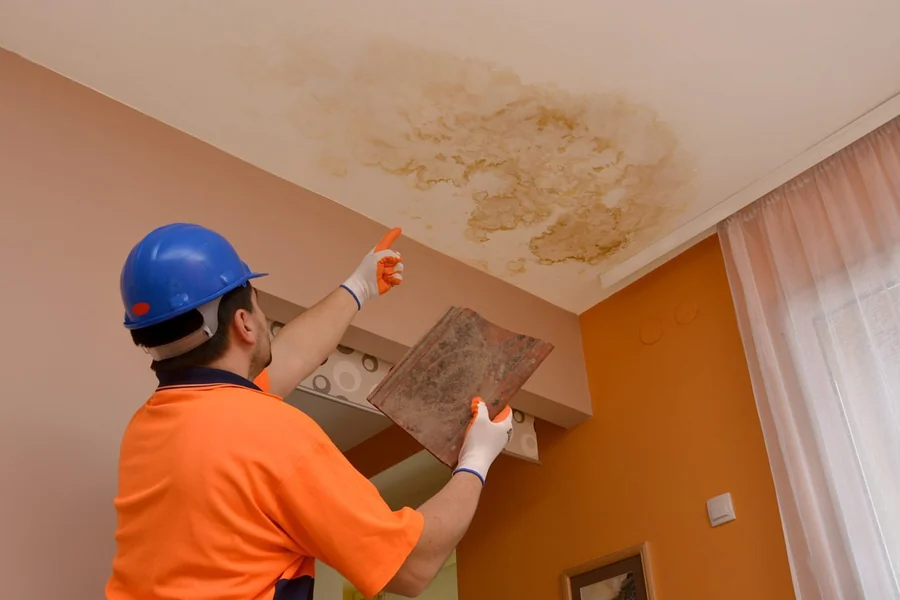
Water damage can happen suddenly or develop slowly over time, often catching homeowners off guard. From unexpected leaks to weather-related issues, even minor water intrusion can lead to costly repairs if it’s not addressed early. Understanding where water damage commonly starts is one of the best ways to reduce risk and respond quickly when problems arise.
In this article, professionals from a reputable San Diego water damage restoration company break down the most common causes of water damage in homes. By recognizing these issues early, homeowners can take proactive steps to protect their property and avoid more serious damage down the line.
1. Plumbing Leaks and Pipe Failures
Plumbing leaks are one of the most frequent causes of water damage in homes. Aging pipes and corrosion can allow water to escape slowly over time. These leaks often occur behind walls, under sinks, or beneath floors, making them hard to detect early. By the time visible damage appears, moisture may have already spread. Even a small, steady leak can lead to warped materials and mold growth. Regular inspections help catch plumbing issues before they escalate.
2. Appliance Malfunctions
Household appliances that use water are common sources of damage when they fail. Washing machines, dishwashers, refrigerators, and water heaters can leak due to worn hoses or internal failures. These issues often occur suddenly and release a large volume of water in a short time. Because appliances are typically located indoors, damage spreads quickly to flooring and cabinetry. Replacing hoses and maintaining appliances reduces this risk. Prompt response is critical when a failure occurs.
3. Roof Leaks
Roof damage allows water to enter the home during rain or snow events. Missing shingles or aging roofing materials can create entry points for moisture. Water entering through the roof often travels before becoming visible, affecting ceilings, insulation, and walls. Stains on ceilings are usually a sign the issue has been present for some time. Seasonal inspections help identify roof vulnerabilities. Addressing roof issues early prevents widespread interior damage.
4. Clogged Gutters and Poor Drainage
When gutters are clogged with debris, water can overflow and collect near the home’s foundation. This excess moisture increases the risk of basement leaks and foundation damage. Poor drainage can also cause water to pool against exterior walls. Over time, this pressure forces water into the structure. Keeping gutters clean helps direct water away from the home. Proper grading and drainage systems further reduce risk.
5. Basement and Foundation Seepage
Basements are especially vulnerable to water intrusion due to their below-grade location. Cracks in foundation walls or floors allow groundwater to seep inside. Heavy rainfall or melting snow can increase pressure around the foundation. This often results in damp walls, standing water, or musty odors. Seepage may start small but worsen over time. Sealing cracks and managing exterior drainage helps prevent basement water damage.
6. HVAC System Issues
Heating and cooling systems can also contribute to water damage. Condensate lines may clog, causing water to back up and overflow. Improper installation or maintenance increases this risk. HVAC units located in attics or closets can leak unnoticed for long periods. Water from these systems often damages ceilings and walls. Routine servicing helps keep systems functioning properly.
7. Weather-Related Flooding
Severe storms and heavy rainfall can overwhelm drainage systems and lead to flooding. Water may enter through doors and windows, as well as foundation openings. Flooding causes rapid and extensive damage to the interior of the space. Even shallow water can leave behind contaminants and moisture. Homes in low-lying areas face higher risk during extreme weather. Preparation and quick response help minimize damage.
8. Hidden Moisture from Small, Ongoing Issues
Some water damage develops quietly over time. Slow leaks, condensation buildup, or poor ventilation can introduce moisture without obvious signs. This hidden moisture often leads to mold growth and structural deterioration. Homeowners may not realize there’s a problem until odors or surface damage appear. Regular monitoring of moisture-prone areas is important. Early detection prevents costly repairs later.
